

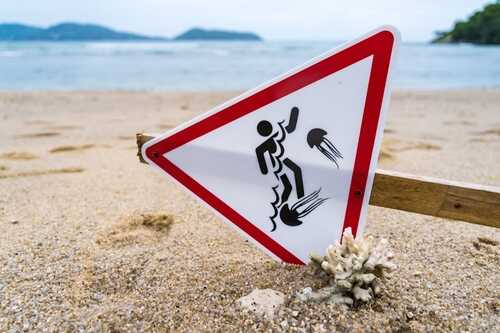
A tragic accident in Langkawi highlights the overlooked dangers of the world’s most venomous jellyfish.
Story Highlights
- A two-year-old Russian boy died after a box jellyfish sting in Langkawi, Malaysia.
- Immediate medical response included CPR and vinegar application, yet proved insufficient.
- The family chose to focus on raising awareness rather than pursuing legal action.
- Incident underscores the need for better public safety measures on tourist beaches.
Severe Consequences of Jellyfish Stings
On November 15, 2025, a two-year-old Russian boy named Vladimir Iakubanets was stung by a box jellyfish while playing at Chenang Beach, Langkawi. Despite immediate CPR and first aid, including vinegar application, he succumbed to complications on November 19 at Sultanah Bahiyah Hospital. This incident highlights the urgent need for increased awareness and preventive measures to protect tourists from such deadly marine life.
Box jellyfish, one of the most venomous marine animals, can cause rapid cardiac arrest and death if not treated immediately. As tourism continues to rise in Southeast Asia, encounters with these creatures have become more frequent, yet fatal incidents remain rare. This tragedy serves as a reminder of the potential dangers lurking in popular holiday destinations.
Family’s Response and Impact
The Iakubanets family, while devastated, chose to focus on spreading awareness about the dangers of jellyfish instead of pursuing legal action. They expressed gratitude for the efforts of rescuers and medical staff, highlighting the importance of rapid emergency response. Their statement may influence public discourse, urging a reevaluation of safety protocols at beaches.
Tourism and local authorities are now under pressure to enhance safety measures. The incident has sparked discussions about the implementation of visible warning signs, improved first aid readiness, and possibly even physical barriers in high-risk areas. These efforts aim to prevent future tragedies and ensure the safety of both tourists and locals.
Broader Implications and Expert Opinions
Experts emphasize the need for education and awareness campaigns to inform the public about jellyfish risks, especially during peak tourism seasons. Marine biologists advocate for systematic monitoring of jellyfish populations near popular beaches. The call for better training of local responders is also growing, as rapid and effective medical intervention is critical to saving lives.
The Langkawi incident could serve as a catalyst for changes in safety standards across Southeast Asia’s tourist hotspots. Enhanced emergency preparedness and public education could help mitigate the risk posed by these dangerous marine creatures, ultimately preserving the safety and reputation of these sought-after destinations.
Sources:
Russian five-year-old succumbs to box jellyfish sting in Langkawi