
Washington just froze 870,000 pandemic borrowers out of future federal money—because the math screams $39 billion in suspected fraud.
Story Snapshot
- Small Business Administration (SBA) suspended 870,000 PPP and COVID EIDL borrowers tied to $39 billion in suspected fraud.
- Justice Department called it the largest action against SBA fraud to date.
- Government watchdogs say anti-fraud controls came late, after most funds went out.
- SBA has also sent 562,000 suspected loans to Treasury for collections, citing prior inaction.
A massive sweep that locks out future federal funding
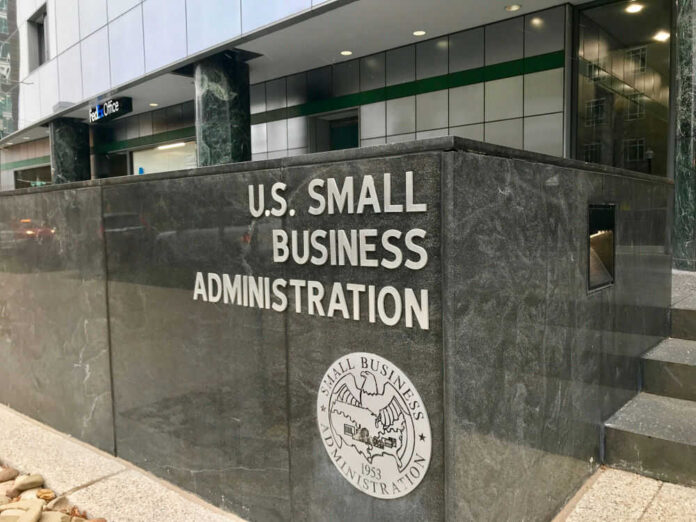
The Small Business Administration announced suspensions for 870,000 borrowers linked to suspected abuse of the Paycheck Protection Program and the COVID Economic Injury Disaster Loan program. The agency tied those borrowers to an estimated $39 billion in suspect activity and said the move bars them from new SBA loans and certain contracting programs going forward. The Department of Justice framed the action as the largest step yet against SBA fraud, underscoring the size and urgency of the problem.
The numbers reflect a broader clean-up push across states. Earlier this year, SBA referred 562,000 loans to the Department of the Treasury for collection after flagging them as suspected fraud. SBA said those loans were identified during the prior administration but were not sent to Treasury or the Department of Justice at that time. The agency’s message now is clear: if you took advantage of emergency aid, do not expect a second bite at the apple on the taxpayer’s dime.
How the fraud problem grew so big, so fast
Government auditors say the controls to stop fraud lagged behind the flood of applications. The Government Accountability Office reported that SBA did not fully roll out its four-step fraud detection for COVID disaster loans until more than half the money was already approved. Expanded screening for the Paycheck Protection Program did not arrive until January 2021, after about two-thirds of the funds had been approved. Those delays left cracks that bad actors could—and did—exploit.
Watchdogs also flagged weak referral systems. The Government Accountability Office found that SBA’s process for sending likely fraud to its Office of Inspector General did not work well and could slow investigations while loans stayed in service. That gap helps explain why sweeping enforcement comes years after disbursement. The pipeline to identify, confirm, and then move on fraudulent loans had kinks, and those kinks cost time—and money.
How much fraud are we really talking about?
The estimates vary, but the direction is the same. The Small Business Administration’s Office of Inspector General estimated in 2023 that more than $200 billion in Paycheck Protection Program and COVID disaster loan funds went to potentially fraudulent recipients, roughly 17 percent of total disbursements. Separate congressional summaries say a heavy share of likely fraud hit during the first nine months when controls were weakest. These figures do not prove guilt case by case, but they frame the scale that drove today’s aggressive suspensions.
Skeptics worry that wide suspensions can net too many edge cases. A center-left policy group urged the agency to prefer case-by-case enforcement guided by strong evidence instead of blanket sweeps. That view warns against confusing program design flaws with individual intent. It also echoes a basic conservative value: due process matters, even when the crowd wants quick justice. But discipline can pair with fairness. A suspension is not a conviction, and borrowers can contest their status as investigations proceed.
The taxpayer bottom line and what happens next
The government’s rationale is straightforward: stop more loss, recover what you can, and deter the next scheme. Suspensions cut off access to future loans and some contracts, which reduces ongoing risk while investigators chase repayments and charges. The Department of Justice says this is the biggest action of its kind, which signals more referrals, more collections, and more criminal cases where evidence supports them. The aim is to reset the rules so honest firms are not undercut by cheats.
Bullshit:
**JD Vance and SBA Administrator Kelly Loeffler announced that 870,000 borrowers tied to $39B in suspected PPP and EIDL fraud have been suspended from all SBA programs, “cut off” from future loans and contracting, but the underlying fraud detection system, borrower…
— Reality Pit Stop 🇺🇸 (@justicenow_alan) September 15, 2026
Here is the lesson for the next crisis: speed without guardrails invites abuse. The Government Accountability Office findings show that delayed controls carry a high price. The fix is simple to state and hard to execute—build fraud checks into the design on day one, publish clear risk indicators, and share data fast across agencies. That approach protects the truly small and honest business—and treats the taxpayer like a partner, not an afterthought.
Sources:
pjmedia.com, x.com, thirdway.org, legacy.sba.gov, gao.gov, crowell.com