
America’s defense contractors are racing to deploy artificial intelligence fighter jets and bio-hybrid “cockroach spies” that could fundamentally alter warfare while raising serious concerns about autonomous weapons systems operating beyond human control.
Story Highlights
- Saab successfully completed first AI-integrated flights with Gripen E fighter jet in May 2025
- U.S. Air Force conducting advanced tests with AI-piloted F-16s and autonomous drone swarms
- Bio-hybrid surveillance devices using living insects are progressing toward operational deployment
- Sixth-generation fighter programs integrating AI as core feature with service entry expected in 2030s
AI Takes Control of Fighter Jets
Defense contractors are achieving breakthrough milestones in artificial intelligence-powered combat aircraft. Saab and Helsing completed the first successful AI-integrated flights with the Gripen E fighter jet in May 2025, marking a pivotal moment in autonomous warfare capabilities. The company’s leadership emphasized this demonstrates their “qualitative edge in sophisticated technologies by making AI deliver in the air.” These developments follow DARPA’s AlphaDogfight Trials where AI systems defeated human pilots in simulated dogfights, proving machines can outperform traditional human decision-making in aerial combat scenarios.
Swarm Technology Revolutionizes Military Operations
The U.S. Navy’s successful drone swarm strike in 2021 demonstrated coordinated autonomous attack capabilities that fundamentally change battlefield dynamics. These AI-enabled systems can execute complex maneuvers and make split-second tactical decisions faster than human operators. Northrop Grumman’s Beacon program is advancing AI for autonomous aircraft, while ongoing Air Force tests with AI-piloted F-16s show promising results despite occasional AI “hallucinations.” The technology offers enhanced combat effectiveness and reduced risk to American personnel in high-threat environments, addressing core conservative priorities of protecting our troops while maintaining military superiority.
Bio-Hybrid Surveillance Raises Privacy Concerns
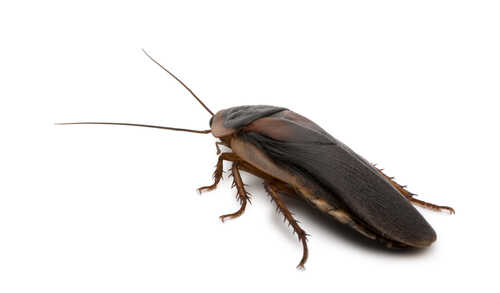
Parallel developments in bio-hybrid robotics are creating insect-based surveillance devices that leverage living organisms for intelligence gathering operations. These “cockroach spies” combine biological mobility with electronic surveillance capabilities, offering unprecedented stealth for reconnaissance missions. While still largely experimental, field trials are progressing toward operational viability, raising questions about surveillance overreach and potential domestic applications. This technology represents the convergence of AI and robotics in warfare, expanding battlefields to include cyber, space, and information domains where traditional oversight mechanisms may prove inadequate.
National Security Implications and Global Arms Race
The rapid advancement of autonomous weapons systems is driving an international arms race among major military powers including China and Russia. Sixth-generation fighter programs are integrating AI as a core feature, with service entry expected in the 2030s, while defense contractors compete for lucrative government contracts. These developments promise enhanced national security and technological superiority but also create ethical and legal challenges regarding autonomous lethal decision-making. The shift from human-centric to machine-augmented operations raises fundamental questions about maintaining human control over life-and-death military decisions, a concern that aligns with constitutional principles of accountability and due process.
A.I. Fighter Jets and Cockroach Spies: Inside the Changing Business of War https://t.co/497j7yViOJ
— 𝕏 📡 💻 𝙳𝚘𝚌𝚝𝚘𝚛 𝙽𝚘📱 🛰 𝕏 (@DoctorNoFI) October 1, 2025
Experts warn of the “black box” problem in AI decision-making and risks of unintended escalation, while others argue full autonomy is necessary to counter adversaries with similar capabilities. The technology’s spillover effects into civilian sectors could create new market opportunities, but the lack of international consensus on autonomous weapons regulations remains a significant challenge for responsible deployment.
Sources:
AI Fighter Jets: How Artificial Intelligence Is Changing Air Combat
Saab achieves AI milestone with Gripen E
Air Force AI Teaming Tests Show Promise Despite Hallucinations