
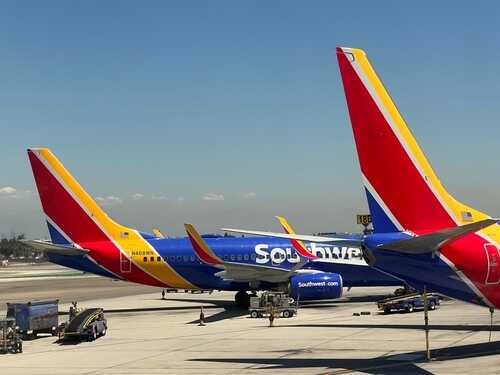
Southwest Airlines is shaking the industry by ditching its open seating policy, paving the way for assigned seating and an entirely new flying experience.
At a Glance
- Southwest Airlines will introduce assigned seating starting January 27, 2026.
- Open seating, a hallmark since 1971, is being replaced to align with industry norms.
- New fare options will include Extra Legroom, Preferred, and Standard seats.
- Loyalty members will receive complimentary upgrades and early boarding.
Southwest’s Big Shift in Seating Policy
In a move that’s sure to send shockwaves through the airline industry, Southwest Airlines, the last bastion of open seating, will begin offering assigned seating for flights departing January 27, 2026. The announcement came on July 21, 2025, signaling an end to a tradition that has been in place since the airline’s inception in 1971. The decision to adopt assigned seating aligns with the increasing demand for personalization and certainty among travelers, something open seating could never quite provide.
Passengers booking flights from July 29, 2025, will have the chance to select their seats in advance. This change represents a significant pivot for Southwest, which has long prided itself on the simplicity and egalitarian nature of its boarding process. But in an industry where ancillary revenue streams are becoming ever more critical, the ability to charge for seat selection is a tempting prospect that Southwest can no longer ignore.
Implications for Passengers and the Airline
For passengers, this shift will mean a more predictable flying experience. No longer will they have to anxiously wait in line hoping for the perfect seat. Families won’t have to worry about being split up, and frequent flyers will appreciate the enhanced perks that come with loyalty, such as complimentary upgrades and early boarding. However, these benefits come with the potential downside of increased costs for those unwilling to pay for seat selection.
For Southwest, the implications are profound. The open seating system was a key part of its brand identity, but the pressures of competition and the lure of monetizing seat selection have forced a change of course. This new policy aligns Southwest with industry norms, potentially attracting new customers who value certainty and premium options.
Financial and Operational Considerations
On the financial front, the introduction of assigned seating is expected to open up new revenue streams for Southwest. As the airline joins its competitors in offering premium seat upsells, the potential for increased ancillary revenue is significant. This is particularly important in an era of rising operational costs and intense competition.
Operationally, the shift will require adjustments. Flight attendants and gate agents will need to adapt to new boarding and seating procedures, and there will be a need for staff training and IT system updates. Despite these challenges, the prospects of increased customer satisfaction and loyalty make the transition worthwhile.
Broader Industry Impacts and Expert Opinions
Southwest’s decision could set a precedent for other airlines that have yet to adopt assigned seating. As the last major U.S. carrier to hold out, its move may further normalize seat selection fees across the industry. Industry experts have long noted the trend toward personalization and ancillary revenue, viewing Southwest’s shift as both inevitable and overdue.
Supporters of the change argue that it reduces stress for travelers and aligns Southwest with global airline trends. Critics, however, lament the loss of a unique brand element and worry about potential “nickel-and-diming” of customers. Nevertheless, the overwhelming consensus is that this change is a pragmatic response to evolving market dynamics and customer expectations.