

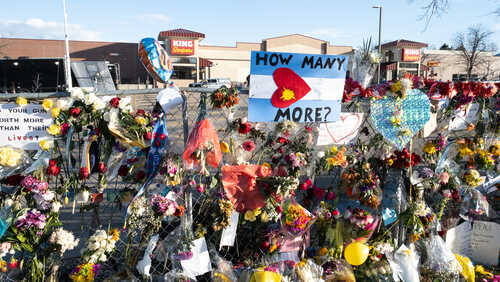
After another bloody weekend leaves six dead and dozens wounded, Chicago residents are turning to President Trump, demanding federal action as local leaders fail to restore order.
Story Snapshot
- Six killed and 27 injured in a violent weekend reignite support for Trump’s plan to federalize Chicago police.
- Many residents blame city leadership’s policies for ongoing lawlessness and demand federal intervention.
- Despite official data showing overall crime down, high-profile shootings keep public anxiety high.
- Debate intensifies over local control versus national action as frustrations with “woke” agendas and soft-on-crime approaches mount.
Chicago’s Violent Weekend Sparks Renewed Calls for Federal Action
Chicago was rocked from August 23rd to 25th by a surge in gun violence, with six people killed and 27 more wounded across the city. This latest round of bloodshed has pushed public frustration to the breaking point. Residents, tired of empty promises and failed reforms, are now openly supporting President Trump’s proposal to federalize the Chicago Police Department, arguing that local politicians are more interested in playing partisan games than restoring safety to their neighborhoods.
https://www.foxnews.com/us/blue-city-residents-plead-trumps-help-out-control-crime-leads-another-bloody-weekend
While city officials tout a 30% drop in homicides and shootings for 2025, the reality on the ground tells a different story for many Chicagoans. High-profile incidents like this past weekend reinforce a sense of lawlessness and erode trust in local leadership. Critics blame progressive policies for emboldening criminals and handcuffing law enforcement, pointing to the surge in violence as proof that “woke” priorities are failing families and destroying communities.
Resident Support for Trump’s Federalization Plan Grows
Donald Trump’s call to federalize the Chicago Police Department has gained traction among residents who feel abandoned by city hall. Supporters argue that only bold action from Washington can end the cycle of violence plaguing the city. They see federal intervention as a necessary response to a leadership vacuum created by years of ineffective policing, defunding debates, and misplaced priorities that prioritize ideology over public safety.
Opponents, including current city leaders, claim federalization threatens local autonomy and community trust. However, for many, the breaking point has been reached after years of unchecked violence and political gridlock. The demand is clear: restore law and order, or step aside for someone who will.
Political and Social Fallout: Federal vs. Local Control
The debate over federalizing Chicago’s police force highlights deep divides between conservative and progressive visions for public safety. Trump’s supporters see federal action as a defense of constitutional rights and a rejection of failed, soft-on-crime policies. Critics warn of federal overreach, but their arguments ring hollow for residents who feel trapped by violence and ignored by “woke” politicians more concerned with appearances than results.
Experts note that while overall crime rates have dropped, the public remains focused on episodic violence. This disconnect fuels support for Trump’s plan, as many believe local officials are out of touch with daily realities. The ongoing debate is a microcosm of the national struggle over law enforcement, government accountability, and the future of American cities.
Chicago residents support Trump's federal police intervention plan | Fox News Blue city residents plead for Trump’s help as ‘out of control’ crime leads to another bloody weekend https://t.co/tI48tn3duy
— David B (@supedave70360) August 27, 2025
Looking ahead, the outcome of this battle will resonate far beyond Chicago. If Trump’s proposal advances, it could signal a new era of federal involvement in local policing, challenging decades of precedent. For now, the city stands at a crossroads, with residents demanding action and politicians scrambling to respond. The stakes could not be higher for public safety, constitutional rights, and the future of American urban life.
Sources:
WTTW News (Chicago crime statistics and trends)
White House official commentary and analysis
ABC7 Chicago (incident reporting and resident reactions)
City of Chicago Data Portal (official crime data)
City of Chicago Data Portal (official crime data)