
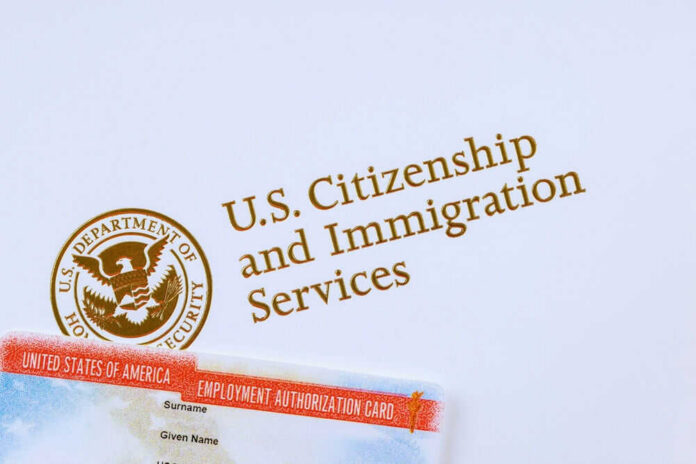
Twenty-two Democratic-led states and Washington, D.C., sued to block President Trump’s new public charge rule days before it takes effect, aiming to preserve access to taxpayer benefits for green card applicants who rely on them.
Story Highlights
- New York leads 22 states and D.C. in a federal lawsuit to stop the rule before it starts.
- The rule takes effect September 18, 2026, for applications filed on or after that date.
- Homeland Security says officers will make case-by-case decisions using a totality test.
- The administration frames the policy as restoring self-reliance and protecting taxpayers.
What The Lawsuit Targets And When The Rule Starts
New York and a coalition of 21 other states plus Washington, D.C., filed suit in the U.S. District Court for the Southern District of New York to halt the Department of Homeland Security’s new public charge rule, which links green card eligibility to use of means-tested public benefits. The states moved quickly because the policy applies to admission and adjustment filings made on or after September 18, 2026, creating an immediate change for families preparing paperwork now. Court calendars will decide whether the rule is paused or begins on schedule.
The federal rule rescinds the 2022 approach and directs officers to evaluate the likelihood a noncitizen will become a “public charge,” meaning primarily dependent on government support. The guidance says each decision will be individualized and fact-specific under the totality of someone’s circumstances, such as income, health, skills, and history with benefits. Supporters say that stops blanket approvals and aligns with long-standing law. Opponents claim the standard gives too much discretion to deny legal immigrants a fair path.
How The States Frame Harm And What They Want The Court To Do
The coalition argues the rule is unlawful and too vague, saying it pressures eligible families to avoid help and shifts costs to state systems and local economies. The complaint asks the judge to issue an injunction before the effective date, blocking the new screening while the case proceeds. The states say forms will change at once and that older editions will be rejected after the start date, which could disrupt pending plans for lawful applicants and the agencies that serve them. Those claims set up a fast legal test in New York.
Some reporting and advocacy groups forecast a chilling effect on benefit use among mixed-status families, as seen in earlier public charge fights, with drops in health coverage and nutrition enrollment when standards broaden. While those effects are debated, the lawsuit leans on that history to show likely harm if the rule starts now. The court will weigh those assertions against the agency’s authority to set screening terms for admission and green card adjustments under federal immigration law.
What The Trump Administration Says The Rule Protects
The administration says the policy restores a basic principle: immigrants should be able to support themselves without long-term dependence on public aid. Officials describe the rule as protecting public resources and ending policies that encouraged dependency on hard-working taxpayers. They also stress the case-by-case process, which weighs all factors and does not turn on a single benefit alone. That message is aimed at Americans who want a fair system that rewards work and responsibility while guarding limited funds.
NEW: Maryland Republican Cheryl Riley is calling out Attorney General Anthony Brown and state Democrats after Maryland joined a 22-state lawsuit challenging the Trump administration’s expanded “public charge” rule for green-card applicants.
Riley argues Maryland’s Democratic…
— MDBayNews (@MDBayNews) September 20, 2026
Coverage of the final rule explains that officers may consider a wider array of means-tested programs, not just cash assistance, when they assess likely future dependency. Reuters reported that the policy targets those who would become primarily dependent on government subsistence, not every applicant who has ever used a benefit. That difference matters. It signals the test focuses on future self-sufficiency under a totality review, rather than punishing brief or emergency help in the past.
What Comes Next And Why It Matters For Taxpayers
The judge will decide soon whether to pause the rule before September 18 or let it proceed while litigation plays out. If the rule starts on time, applicants filing from that date forward should expect the new forms and the totality standard to apply. If an injunction issues, the government may appeal. Either way, the core question remains the same: Should American taxpayers fund benefits for people seeking permanent status, or should the law screen for self-reliance first?
Sources:
reuters.com, techtimes.com, gwp.law, ag.ny.gov, cnn.com, news.bloomberglaw.com