
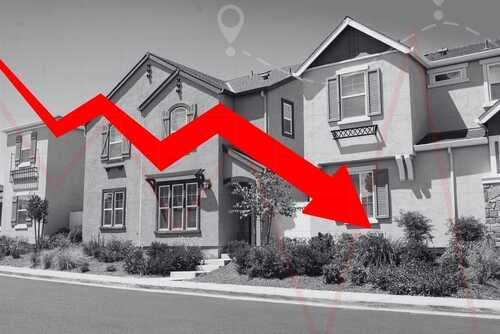
Record price cuts and a glut of unsold homes have triggered a housing panic across half of American cities, shaking the economic foundation for countless families and exposing the consequences of years of reckless government policies.
Story Snapshot
- Home values are tumbling in half of the largest US cities as sellers slash prices to attract wary buyers.
- The sharpest declines hit the South and West, former boomtowns now grappling with oversupply and fading demand.
- Regional disparities highlight a historic split, with some Midwest and Northeast markets still reporting modest gains.
- Economic uncertainty and high mortgage rates continue to erode affordability, putting homeowners and builders under pressure.
Housing Panic Grips Key Regions as Market Reverses Course
In mid-2025, the US housing market entered a new era of uncertainty, marked by record price cuts and widespread panic among sellers. Nearly 27.4% of listings in July saw reductions, the highest ever recorded. Cities that boomed during the pandemic—Tampa, Austin, Miami, Orlando, and Dallas—now face the steepest declines, with year-over-year price drops ranging from 3.9% to 6.2%. Sellers are scrambling to attract buyers who remain cautious due to elevated mortgage rates and persistent worries about the nation’s economic trajectory.
This dramatic reversal follows years of runaway home price appreciation fueled by leftist fiscal mismanagement, unchecked spending, and misguided pandemic policies. Builders responded to the pandemic-era demand by flooding the market with new construction, especially in areas with limited land-use restrictions. As a result, oversupplied Sun Belt metros are now grappling with excess inventory and falling equity—a warning for any future government overreach that distorts fundamental market forces.
Regional Divide Exposes Deep Structural Faults
While cities in the South and West struggle with surging supply and plunging prices, markets in the Midwest and Northeast offer a stark contrast. Cleveland and Hartford, for instance, continue to report annual gains of 4.7% and 4.5%. This bifurcation reflects underlying strengths in regions where local governance has resisted the worst excesses of federal intervention and maintained tighter control over new construction. The divergence is unprecedented and signals a fundamental realignment, with conservative regions better positioned to weather economic storms.
As builders slow new starts in oversupplied areas, buyers gain negotiating power but still face affordability challenges. High mortgage rates—driven up by years of inflation and irresponsible spending—remain a barrier for many families. For homeowners in the hardest-hit metros, negative equity and financial stress are becoming common, putting local economies at risk and pressuring governments to reconsider failed housing and insurance policies.
Short- and Long-Term Risks: Families and Communities on Edge
The social and economic consequences of this housing correction are already rippling outward. Homeowners in Sun Belt boomtowns face mounting losses, and builders are forced to halt or delay new projects, threatening construction employment. Local tax revenues are likely to decline as property values fall, potentially impacting public services. There is growing political pressure in states like Florida and Texas to address housing and insurance reform. Meanwhile, resilient markets in the Midwest and Northeast may attract more buyers and investment, further deepening the divide between regions.
https://twitter.com/realEstateWatch2025/status/1695483123456789000
Looking ahead, experts warn that persistent declines could trigger increased foreclosures, especially if unemployment rises. While mainstream forecasts from J.P. Morgan and Zillow predict only a modest national drop of 0.9% over the next year, severe corrections in specific metros raise concerns about broader contagion. Some online commentators claim collapses of 60% or more, but these outlier views are not substantiated by major data providers. Conservative voices urge vigilance, emphasizing the need for policies that support individual liberty, protect family wealth, and resist government overreach.
Expert Perspectives and Policy Implications
Industry analysts agree that the current downturn is regionally concentrated, not a repeat of the 2008 crash. J.P. Morgan describes the national market as “frozen,” with subdued growth but no uniform collapse. Zillow highlights the steepest corrections in cities with the largest inventory surges since the pandemic. Academic experts point to stronger labor markets and tighter lending standards as safeguards against a broader meltdown. Nevertheless, concerns remain about the consequences of continued government intervention and fiscal irresponsibility. For conservative families, this housing panic is a stark reminder of the need to defend traditional values and constitutional protections against policies that erode economic stability and personal liberty.
Sources:
US Housing Market Outlook | J.P. Morgan
Housing Market Forecasts for the Rest of 2025 | Keeping Current Matters