

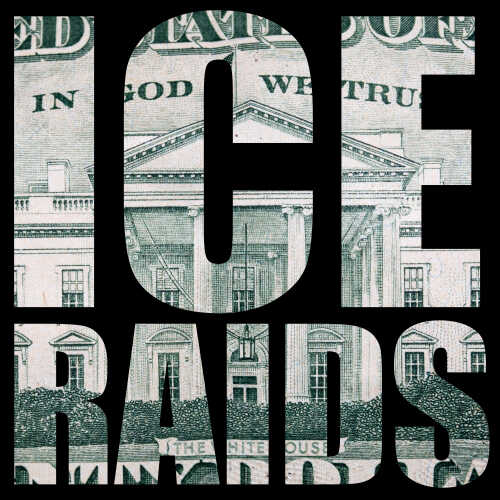
With new executive orders targeting illegal immigration and restoring tough border enforcement, President Trump’s administration is shaking the foundations of U.S. immigration policy and reigniting debate on constitutional protections and conservative values.
Story Highlights
- President Trump signed sweeping executive orders in January 2025, declaring a national emergency at the southern border and ending catch-and-release policies.
- Mass-deportation operations and new legislation, including the Laken Riley Act, mandate detention and removal of immigrants charged with certain crimes.
- ICE has resumed raids in schools, hospitals, and churches, eliminating previous protections for “sensitive locations.”
- Legal and constitutional concerns arise as law enforcement is authorized to enter migrant homes without warrants.
Trump Administration’s Executive Orders Reshape Immigration Enforcement
On January 20, 2025, President Donald Trump was sworn in for a second term and immediately made good on his campaign promise to crack down on illegal immigration. Within hours, he signed a series of executive orders declaring a national emergency at the Mexico–United States border. These orders blocked asylum seekers, suspended most refugee admissions, and ended birthright citizenship for children of non-permanent residents. The administration’s policies marked a sharp departure from the previous administration, emphasizing national security and constitutional order.
https://www.youtube.com/watch?v=lQwJCD8h4IM
One of the most significant legislative actions was the signing of the Laken Riley Act on January 29, 2025, which mandates the detention of immigrants charged with or convicted of specific crimes. Trump also appointed Tom Homan as “border czar” to direct ICE operations nationwide. ICE was granted expanded authority to detain and deport immigrants, with mass operations conducted in major cities and communities. The administration eliminated previous restrictions on raids at “sensitive locations,” resulting in enforcement actions in schools, hospitals, and churches—raising concerns about due process and constitutional rights.
Legal and Constitutional Issues Under New Enforcement Directives
Attorney General Pam Bondi issued a directive in March 2025 permitting law enforcement to enter migrant homes without warrants. This unprecedented move bypassed established Fourth Amendment protections, sparking alarm among constitutional scholars and civil liberties advocates. The administration further escalated enforcement by targeting attorneys representing migrants, challenging what it described as “frivolous, unreasonable and vexatious litigation.” These aggressive tactics have triggered legal challenges and highlighted tensions between executive authority and constitutional safeguards.
ICE deportation operations intensified, with reports of migrants transported on military aircraft and held in restraints. The administration claimed over 140,000 deportations by April 2025, with Department of Homeland Security figures reporting more than 207,000 by June. The scale of these operations disrupted families and communities, prompting debate about the balance between border security and human rights. Conservative supporters argue these actions restore law and order, while critics warn of erosion of core American principles.
Impact on Communities, Constitutional Rights, and Conservative Principles
The renewed focus on immigration enforcement has had far-reaching effects. Stricter policies have sharply reduced illegal border crossings to the lowest level in decades, fulfilling Trump’s campaign pledge to secure the border. However, expanded ICE authority and new laws have increased fear and uncertainty among immigrant communities. The elimination of protections for Dreamers, refugees, and temporary status holders has drawn criticism, but many conservatives see these moves as necessary corrections to years of lax enforcement and government overreach. Supporters believe the administration’s actions defend American sovereignty, uphold the rule of law, and protect the values of family, community, and tradition.
https://twitter.com/realDonaldTrump/status/1692342345678901234
Legal challenges are ongoing, with courts expected to weigh in on the constitutionality of warrantless searches, mass deportations, and restrictions on humanitarian relief. The administration’s supporters maintain that these steps are essential to restore integrity to the immigration system and preserve the constitutional rights of American citizens. As the story continues to unfold, the debate highlights the enduring tension between national security, individual liberty, and the foundational principles that define the conservative movement.
Sources:
Immigration policy of the second Trump administration – Wikipedia
The Trump Administration’s 2025 Changes to Immigration Law …
Protecting The American People Against Invasion – The White House
The First 100 Days of the Second Trump Administration