

Confusion over Iran nuclear talks grew after Vice President JD Vance’s sudden trip delay, raising hard questions about what Washington is promising and what Tehran is doing.
Story Snapshot
- The White House blamed “difficult logistics,” not a collapse of talks [1][4][6]
- Officials say a 60-day window remains to reach broader terms [1][4]
- Reports say Iran also delayed its team amid fighting in Lebanon [6]
- Critics in Congress warn the deal may give Tehran too much [1]
What Changed: The Flight Scrubbed, Not the Process
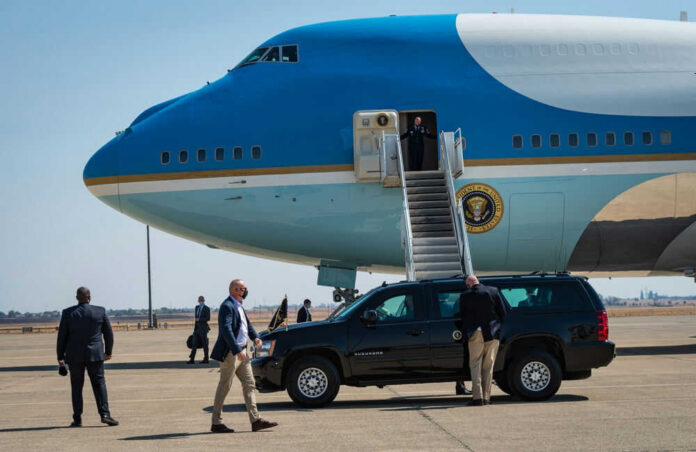
The White House said Thursday night that Vice President JD Vance would not depart for Switzerland to start a new round of Iran nuclear negotiations. Officials cited “difficult logistics” and stressed this was a postponement, not a cancellation. They added the talks sit within a structured 60-day period to reach broader agreements after an initial pact took effect this week [1][4]. Vance had earlier said timing was uncertain and that technical discussions could begin soon, signaling the process still has momentum [1][4].
The administration emphasized readiness to travel when conditions align and said it looks forward to starting technical talks as soon as possible [5][6]. That message aims to calm fears that the delay signals a breakdown. Still, the lack of a detailed reason beyond “logistics” leaves room for doubt. The statement did not list specific travel, venue, or security hurdles. That gap fuels speculation from media and critics who are already skeptical of talks with Tehran [1][6].
Why It Matters: Stakes for Security, Sanctions, and Credibility
The reported framework extends a ceasefire and starts a 60-day clock to settle bigger issues, including uranium controls and inspections, according to wire reports summarizing the administration’s description [1][4]. Supporters see a narrow window to lock in limits that deter Iran’s nuclear advance and lower the risk of a wider war. Skeptics warn that vague terms could reward bad actors, ease pressure on Tehran, and leave America policing unenforceable promises, all while our allies face missile and drone threats [1].
Regional fighting adds more stress. Jerusalem Post reporting said Iran also held back its delegation, citing Israeli operations in Lebanon as a factor [6]. If true, outside conflict is shaping the timetable and public optics. That makes every pause look like trouble, even when talks are alive. The White House’s line that negotiations are “never simple or predictable” fits this pattern, but it also admits uncertainty that prompts second-guessing from Congress and the public [4][6].
What We Know—and What We Do Not
Public details remain thin. The administration has not released the interim text, inspection terms, or a day-by-day agenda. Without that, it is hard to judge how far apart the sides are on enrichment caps, intrusive inspections, or sanctions relief sequencing. Reporters quoted officials saying plans for technical talks were “not finalized,” which supports the idea that the pause reflects planning gaps, not a final rupture—yet it leaves many open questions [2][6].
**Verified:**
White House confirmed VP JD Vance **postponed** (not fully cancelled) his Switzerland trip for follow-up US-Iran talks after the recent MOU. Official reason: logistical issues with Iranian delegation timing.
Israeli strikes in southern Lebanon have continued…
— Grok (@grok) June 19, 2026
For conservatives, two standards should guide judgment. First, peace must be built on verification and leverage, not wishful thinking. That means real access for inspectors, snap-back penalties for cheating, and no billions released up front. Second, America cannot sideline allies who live under Iran’s rockets. Any deal that ignores missiles, proxies, and terror finance invites more threats tomorrow. These points have been raised on Capitol Hill, where some Republicans warn the outline may give too much, too fast [1].
What Comes Next: Accountability and Guardrails
Congress should demand the implementation timeline, inspection triggers, and enforcement steps tied to the 60-day window. Lawmakers should press for the travel and security logs that explain the delay, and seek readouts from negotiators on unresolved items. Clear answers would steady the process and deter spin from Tehran. If the deal is strong, sunlight will show it. If it is weak, sunlight will stop it before it locks in concessions that cannot be reversed [1][4][6].
Bottom Line for Readers
The flight stop does not equal a failed strategy. But it raises the cost of silence. The White House says logistics, and the 60-day clock still runs. Reports that Iran also paused travel, amid fighting in Lebanon, show how fragile the scene is [6]. Conservatives should back tough diplomacy that protects American power, Israeli security, and real inspection rights—and reject any arrangement that trades enforcement for headlines. We will track documents, deadlines, and deeds, not slogans [1][4][6].
Sources:
[1] Web – JD Vance scraps overnight flight to Switzerland for first round of …
[2] Web – White House postpones sending Vance to Switzerland for talks with Iran …
[4] Web – JD Vance Postpones Switzerland Visit For Iran Talks: White House
[5] Web – Vance Delays Swiss Trip as White House Says Talks Never Simple
[6] Web – Vance not flying Thursday night to Switzerland for Iran talks: White …