

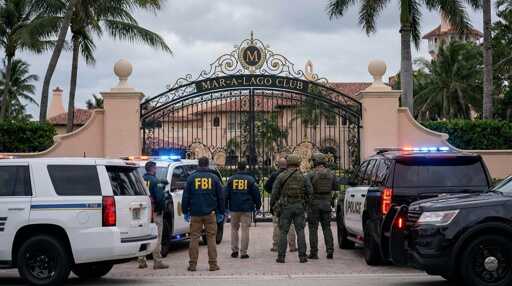
The FBI’s credibility is on the line as reported firings target agents based on their involvement in the Mar-a-Lago investigation—raising hard questions about whether Washington is fixing politicized law enforcement or replacing it with a new kind of political control.
Quick Take
- Multiple outlets report that FBI Director Kash Patel has fired agents tied to the 2022 Mar-a-Lago classified-documents search, with reports ranging from “at least six” to “at least 10.”
- A lawsuit described in a congressional document alleges Patel acknowledged the firings could violate rules and trigger litigation, but pushed ahead anyway.
- The dispute lands on a constitutional fault line: Americans want accountability for past abuses, but also want protections against partisan purges inside federal law enforcement.
- The FBI Agents Association has called for due process protections and congressional action, signaling widening institutional concern.
What’s known about the firings—and what remains unclear
Reporting in late February 2026 describes additional FBI personnel being terminated after having worked on the Trump classified-documents investigation tied to the 2022 Mar-a-Lago search. Several accounts say “at least six” agents were fired, while other reporting and broader sourcing suggest the number could be closer to 10. The precise total is not consistently confirmed across outlets, and timelines for each termination vary by report.
What is consistent is the stated link to case assignment: the agents reportedly worked the Mar-a-Lago matter, with terminations described as part of a broader reshaping of personnel connected to Trump-related investigations. Sources cited by outlets describe affected agents coming from multiple offices, including Miami, Las Vegas, and Washington, D.C. Without a unified public roster or official count released in a single statement, the public is left sorting through partial disclosures.
The lawsuit claims: “loyalty tests,” rosters, and alleged admissions
A key factual anchor in the coverage is a lawsuit discussed in a U.S. House-related document, describing internal dynamics around FBI leadership decisions. According to the allegations summarized there, the FBI director and allies pressed for lists of personnel who worked Trump-related investigations and conducted “loyalty test” style interviews. The same material describes claims that Patel acknowledged legal risk while pursuing removals anyway.
Those claims matter because they go beyond ordinary performance-based discipline and point to targeting by association—who worked what case—rather than documented misconduct. The agents and officials who sued argue they were retaliated against for protected activity and for perceived disloyalty tied to prior investigations. Because these are allegations in active litigation, the ultimate legal findings are not settled; however, the details being litigated are specific enough to be testable in court.
Accountability vs. institutional retaliation: the constitutional tension
Conservatives spent years arguing that federal power was turned against political opponents, especially after the Mar-a-Lago search and other Trump-era investigations. That frustration is real, and many Americans want accountability when agencies appear to operate with double standards. The problem is that accountability has to be grounded in rules, evidence, and consistent processes—or it risks becoming the very weaponization Americans opposed.
When personnel actions appear tied to politically charged case involvement rather than proven wrongdoing, it raises concerns about government overreach in a different direction. A constitutional system depends on due process and equal treatment under law, even for people working inside federal agencies. If one administration can remove career personnel simply because a case was unpopular with voters, the next administration can do the same to target investigations conservatives support.
Operational and public-trust fallout inside a stressed agency
Coverage describes concerns that abrupt removals may disrupt ongoing work and weaken institutional expertise. The lawsuit-related accounts also paint a picture of an agency consumed by leadership demands and White House-driven priorities, which—if accurate—could create instability across units not limited to the Mar-a-Lago matter. For a public already skeptical after years of politicized headlines, instability can deepen doubts that the FBI is focused on core public-safety missions.
The FBI Agents Association has argued for due process and urged congressional engagement, highlighting that this isn’t merely a partisan media fight. In a country facing border pressures, fentanyl trafficking, and global threats, conservatives typically want law enforcement to be strong, professional, and constrained by the Constitution. Internal turmoil—whether driven by past bias or present retaliation—can erode that mission and the public’s confidence.
What to watch next: court rulings, Congress, and transparency
The next concrete developments are likely to come through court filings and judicial rulings, since the lawsuit places specific claims into a forum where evidence can be demanded and tested. Congress could also seek testimony, documents, or inspector general review, particularly around whether civil service protections and internal FBI policies were followed. Clear answers will require transparent, on-the-record explanations that go beyond anonymous sourcing and partisan talking points.
At least 10 FBI agents who worked on Mar-a-Lago case are fired, sources sayhttps://t.co/deXxbUJiMW
— Surge (@Surge92FL) February 26, 2026
For Americans who believe the Mar-a-Lago raid represented a dramatic escalation against a presidential candidate and former president, the impulse to clean house is understandable. But the durability of constitutional government depends on whether reforms are built on verified misconduct and lawful procedure. If the nation is serious about ending “two-tier” justice, the standard must be consistent: no special privileges, but also no political punishments disguised as management.
Sources:
Inside the Mar-a-Lago investigation: retired FBI agent breaks down next steps, GOP reacts
HHRG-119-JU00-20250917-SD029-U29.pdf
Kash Patel fires at least six FBI agents tied to 2022 Mar-a-Lago search
FBI fires more agents who worked on Trump classified document investigation
FBI fires more agents who worked on Trump classified document investigation