
What happens when a sanctuary city pushes back against federal immigration enforcement? Portland is about to find out.
At a Glance
- Portland City Council considers revoking ICE’s permit due to alleged violations.
- The facility has been a hub of protests and community unrest since 2018.
- Local leaders argue the move aligns with sanctuary city values.
- Federal officials promise increased enforcement in response.
Portland’s Sanctuary Stand: A City Divided
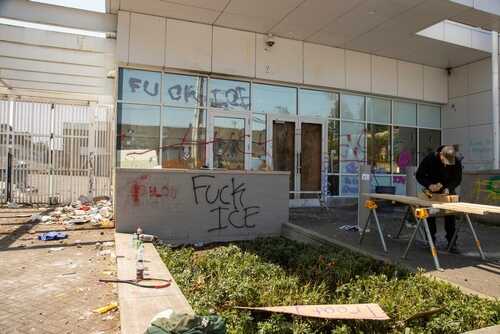
The city of Portland is no stranger to controversy, especially when it comes to federal immigration enforcement. The South Waterfront ICE facility, nestled in a rapidly developing area, has been a flashpoint for protests and political wrangling since its inception. Established under a conditional-use permit in 2011, the facility has faced backlash for allegedly holding detainees longer than the permitted 12 hours. This violation has spurred the Portland City Council to consider revoking the permit, aligning with the city’s sanctuary stance.
In recent years, Portland has solidified its identity as a sanctuary city, limiting cooperation with federal immigration enforcement. The Occupy ICE movement, which gained momentum in 2018, highlighted the city’s resistance to federal policies. The protests were triggered by the Trump administration’s family separation policy, leading to clashes that have become a symbol of the tension between local values and federal operations.
The Battle Over a Permit
As of July 2025, the Portland City Council is actively weighing the option to revoke the ICE facility’s permit. Over two dozen alleged violations of the 12-hour detainee holding limit form the crux of the argument. Public hearings have been packed with residents and activists voicing their concerns about ICE’s operations and the impact of ongoing protests. The city attorney’s office is currently drafting a legal memo to outline the council’s options.
Council member Angelita Morillo has been vocal about the importance of upholding the permit conditions, warning that inaction could set a dangerous precedent. Steve Novick has called for a moral stance against federal deportation policies, framing the issue as an assault on democracy. Meanwhile, Tom Homan, the Border Czar, has vowed to escalate federal enforcement in sanctuary cities like Portland, promising to “double down and triple down” on their efforts.
A Community Caught in the Crossfire
The potential revocation of ICE’s permit is poised to have significant short-term and long-term implications. In the immediate future, there could be closure or restriction of ICE operations at the South Waterfront facility. This move would likely exacerbate tensions between local and federal authorities, with potential for increased protests and law enforcement actions. Local residents, particularly those in subsidized housing and nearby schools, face disruptions due to ongoing protests and law enforcement activity.
In the long-term, such a decision could set a precedent for other sanctuary cities considering similar actions against federal immigration facilities. This could lead to protracted legal battles over jurisdiction and enforcement authority. The implications for Portland’s reputation as a progressive, activist city are also profound, reinforcing its stance as a sanctuary city and potentially influencing similar actions in other urban areas.
Broader Implications for Immigration Enforcement
Portland’s situation is emblematic of the broader national debate on sanctuary policies and local-federal cooperation on immigration enforcement. The facility’s fate could influence national discussions, potentially setting legal and political precedents for other cities grappling with similar issues. This case underscores the symbolic importance of local resistance to federal operations, though experts caution about the unintended consequences, such as increased community enforcement actions by ICE.
Supporters of the city council’s actions argue that upholding sanctuary policies and local permit laws is essential for community safety and values. However, critics contend that obstructing federal law enforcement undermines national security and the rule of law. The coming months will be critical as Portland navigates this complex and contentious issue.