

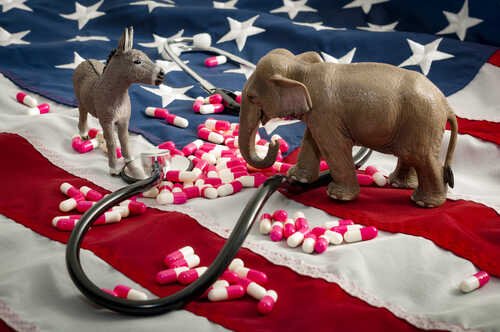
As Obamacare subsidies expire, millions brace for skyrocketing premiums, sparking fierce debate in Washington over healthcare costs.
Story Highlights
- The expiration of Obamacare subsidies will double premiums for millions of Americans.
- Republicans face backlash for not extending the subsidies during the government shutdown.
- Democrats vow to push for a renewal vote in January 2026.
- The issue threatens to impact the upcoming midterm elections.
Obamacare Subsidies Expire, Doubling Premiums
On December 31, 2025, the enhanced Affordable Care Act (ACA) subsidies expired, leaving approximately 22 million enrollees facing steep premium increases. These subsidies, initially introduced under the Obama administration and expanded during the COVID-19 pandemic, had significantly reduced monthly insurance premiums. With their expiration, premiums are expected to more than double, from an average of $888 annually to $1,904 in 2026. This change has sparked outrage among families who depend on affordable healthcare coverage.
Republicans, who blocked Democratic efforts to extend the subsidies during the longest U.S. government shutdown, are now facing significant political pressure. The shutdown, which lasted from October to November 2025, became a battleground for funding priorities, with Republicans prioritizing spending cuts. The failure to extend the ACA subsidies has become a focal point of criticism, with Democrats accusing Republicans of neglecting the needs of American families.
Democrats Promise to Fight for Extension
Democratic leaders, including House Minority Whip Katherine Clark, have vowed to push for a vote in January 2026 to renew the subsidies for three more years. They argue that the expiration of these subsidies creates a financial crisis for families who rely on affordable healthcare. Democrats plan to use public pressure and upcoming votes to challenge Republican opposition and advocate for the extension of these crucial benefits. The political stakes are high, as the issue is expected to play a significant role in the midterm elections.
Meanwhile, insurers have begun issuing notices to enrollees, warning them of the impending premium hikes. The Congressional Budget Office (CBO) projects a 4.3% gross premium rise in 2026, which will affect 85% of individual market buyers. This situation is exacerbated by Trump-era rule changes that contribute to the cost increases. As premiums rise, many fear that access to healthcare will become more challenging, particularly for low- and middle-income families.
Potential Political Fallout
The expiration of the ACA subsidies has not only financial implications but also significant political ramifications. Republicans are being criticized for their role in allowing the subsidies to lapse, with some commentators predicting that this could harm their standing in the upcoming elections. Democrats are capitalizing on the issue, framing it as a family cost crisis and using it to galvanize voter support. The debate over healthcare costs and government responsibility in providing affordable coverage is set to intensify in the coming months.
As the nation grapples with this healthcare challenge, stakeholders from both sides of the aisle must navigate a complex landscape of public opinion, policy priorities, and economic realities. The outcome of this debate will undoubtedly shape the future of healthcare in the United States and influence the political dynamics leading up to the midterm elections.
Sources:
Clock runs out on extending Obamacare subsidies — as health care price hikes rock Republicans
Expiring ACA subsidies and CMS payment models raise costs for consumers and employers
Why are expiring ACA subsidies raising health insurance premiums?