
Joe Rogan’s warning that Minnesota’s anti-ICE unrest may be “timed” to bury a widening fraud probe is the kind of political smoke conservatives have learned not to ignore.
Story Snapshot
- Joe Rogan questioned why major anti-ICE protests flared in Minnesota while allegations of serious fraud tied to Gov. Tim Walz were circulating.
- Rogan cited FBI Director Kash Patel’s discussion of Signal chats as a reason to doubt the protests were fully organic, though the underlying claims remain under investigation.
- Two fatal shootings by federal agents—Renee Nicole Good on Jan. 7, 2026, and Alex Pretti later in January—helped ignite the protests and intensify scrutiny of federal tactics.
- MSNBC and Media Matters criticized Rogan’s framing, disputing fraud-related narratives and attacking comparisons of ICE to authoritarian police forces.
Rogan’s “Distraction” Claim Collides With Minnesota’s Breaking News
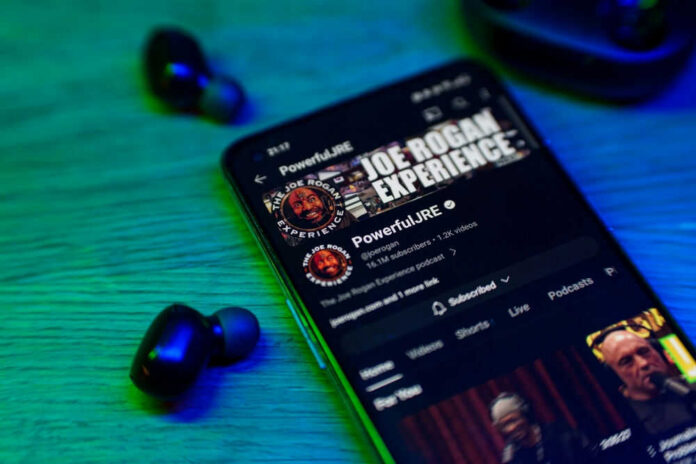
Joe Rogan used a recent episode of The Joe Rogan Experience to question the timing of Minnesota’s anti-ICE protests, arguing they could function as a “distraction” from what he described as an “ungodly amount of fraud” tied to Gov. Tim Walz. Rogan’s comments gained mainstream pickup through outlets summarizing the episode, while critics framed the segment as conspiracy-adjacent commentary rather than evidence-based reporting.
Rogan’s argument rests on two separate tracks: first, that fraud allegations surrounding Walz are significant enough to warrant sustained attention; and second, that the protest wave arrived at a politically convenient moment. The research provided does not quantify the fraud allegations, and it does not document any formal findings in the public record within these materials. That gap matters because timing alone cannot prove orchestration.
Shootings That Fueled Protest Anger: What’s Known From the Available Reporting
The protests followed two fatal incidents involving federal agents in Minneapolis. Renee Nicole Good was shot and killed on Jan. 7, 2026, during “Operation Metro Surge,” the Trump administration’s intensified immigration enforcement push. Later in January, Alex Pretti, described as a VA ICU nurse, was killed after intervening in an altercation; the reporting summarized video showing agents tackling him, removing his licensed firearm, and firing ten shots.
Rogan’s on-air approach, as described in the research, tried to hold two ideas at once: he condemned the killing while also criticizing Pretti’s decision to enter a volatile situation while armed. That distinction is important for conservatives who support law-and-order and lawful carry rights. A system that respects the Constitution should be able to investigate shootings seriously without demonizing legal gun ownership or excusing excessive force.
Kash Patel’s Signal-Chat Angle Raises Questions—But Not Conclusions
Rogan pointed to Signal chats discussed by FBI Director Kash Patel as a reason to suspect Minnesota’s protests were not purely spontaneous. The available research describes Patel as sharing chats that allegedly indicated coordinated “anti-agent intel,” and it says probes were underway. What is missing in the provided materials is the content of those chats, how they were authenticated, and whether they show planning of protests versus general activist coordination.
That limitation is the central issue for readers trying to separate narrative warfare from verified fact. If Patel’s investigation substantiates coordinated efforts to disrupt enforcement operations, the story becomes about political influence and potential interference with federal law enforcement. If the investigation falls short, then the events still demand accountability—but chiefly around rules of engagement and the government’s duty to protect due process for citizens and non-citizens alike.
Media Counterattack: “Gestapo” Rhetoric, Fraud Skepticism, and the Information War
Critics highlighted by the research—particularly an MSNBC segment and commentary tied to Media Matters—challenged Rogan’s framing on multiple fronts. They criticized his past language comparing ICE to “Gestapo,” and they disputed claims suggesting organized fraud schemes such as importing people for votes or seats, citing skepticism and the absence of evidence. Those critiques reflect a broader pattern: establishment media often treats fraud concerns as inherently illegitimate while focusing attention on rhetoric.
For conservatives burned by years of selective outrage, that dynamic is familiar. Immigration enforcement can be both necessary and constitutionally bounded, and questioning political actors is not the same as endorsing every online claim. The public deserves transparent answers on the two biggest questions raised here: what exactly happened in the shootings, and what evidence actually exists behind the fraud allegations and “non-organic protest” suspicions.
Joe Rogan Calls Tim Walz Dangerous, Notes Curious Timing of ICE Protests and Stories About Minnesota Fraud (VIDEO) https://t.co/fd485YYq3m
— The Gateway Pundit (@gatewaypundit) February 7, 2026
In practical terms, the Minnesota flare-up shows how quickly a local tragedy becomes a national storyline—especially when the federal government, a blue-state governor, and a top cultural influencer collide in the same news cycle. The Trump administration’s enforcement surge will keep drawing protests, and every use-of-force incident will raise constitutional questions. The fraud narrative will also persist until investigators either substantiate it with specifics or close it out publicly.
Sources:
Joe Rogan Suggests Protests ‘Distract’ From Tim Walz’s ‘Fraud Scandal’
Joe Rogan Suggests Protests ‘Distract’ From Tim Walz’s ‘Fraud Scandal’