
Senator Tommy Tuberville’s call to ban Sharia law and target a Muslim mayoral candidate exposes a growing battle over religious liberty, constitutional rights, and the future of American values.
Story Snapshot
- Sen. Tuberville introduces federal anti-Sharia bills, citing threats to U.S. law and culture.
- Zohran Mamdani, a Muslim state legislator and NYC mayoral frontrunner, faces direct political attacks.
- Advocacy groups and political leaders condemn Tuberville’s remarks as bigotry; debate intensifies over constitutional protections.
- Legislative efforts spark national conversation about religious freedom, immigration, and the limits of political rhetoric.
Tuberville’s Anti-Sharia Push and Its Political Context
On October 8, 2025, Senator Tommy Tuberville delivered a Senate floor speech warning of what he called the dangers of “radical Islam” and the looming threat of Sharia law. Days later, he appeared on The Alex Jones Show to double down on his claims. Tuberville’s statements directly named Zohran Mamdani, a Muslim member of the New York State Assembly and the leading candidate in New York City’s mayoral race, alleging that Mamdani and Muslims more broadly are “trying to take over” the United States. Tuberville’s rhetoric did not stop at words; he announced legislation aimed at banning Sharia law federally, declaring that anyone advocating for it “should not be here.”
These comments ignited immediate backlash from civil rights groups, Muslim advocacy organizations, and a range of political leaders. The Council on American-Islamic Relations (CAIR) and a coalition of Muslim organizations sent formal letters calling for condemnation and censure of lawmakers engaging in Islamophobic attacks. Former Sen. Doug Jones and several New York and Alabama political leaders publicly criticized Tuberville’s actions, emphasizing that targeting individuals based on their faith undermines the foundation of American constitutional guarantees.
Background: Anti-Muslim Rhetoric and Legislative Moves
The controversy is not occurring in a vacuum. Anti-Muslim rhetoric has periodically surged in U.S. politics, often tied to debates over immigration, national security, and religious freedom—especially since 9/11. Legislative attempts to ban Sharia law have appeared in more than a dozen states over the past decade, but legal experts and civil rights groups have consistently argued these measures are unnecessary and discriminatory. The 2025 escalation is notable for its direct targeting of a prominent Muslim politician during a major election, and for the amplification of anti-Muslim sentiment on high-profile platforms.
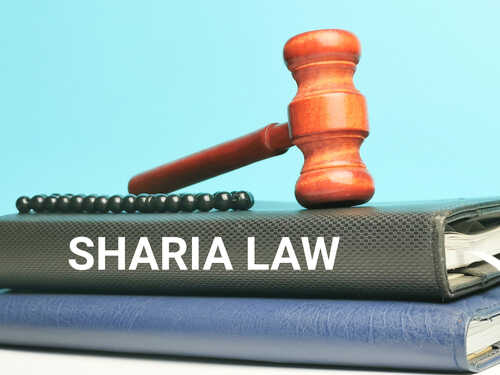
Senator Tuberville’s introduction of the “No Sharia Act” and the “Preserving a Sharia Free America Act” marks the first time in years that such legislation has been proposed at the federal level. These bills seek to ban the implementation of Sharia law and enable the deportation of foreign nationals who advocate for it. While Tuberville’s supporters argue this is a necessary defense against potential threats, advocacy organizations highlight there is no credible evidence of Sharia law supplanting U.S. law. Legal scholars point out that such bans could violate First Amendment protections, setting a dangerous precedent for religious discrimination.
Response from Advocacy Groups and Political Leaders
CAIR and allied groups have condemned Tuberville’s actions as “bigotry” and “unconstitutional,” warning that they represent an escalation of Islamophobia in mainstream politics. Muslim advocacy coalitions, including Emgage Action NY Metro and DRUM, have mobilized to defend Mamdani and the broader Muslim community, demanding accountability for what they describe as deliberate misinformation and hate speech. These organizations argue that attacks on religious minorities threaten fundamental American values, including religious liberty, free speech, and equal participation in public life.
Political analysts note that Tuberville’s rhetoric appeals to certain voter blocs concerned about national security and cultural cohesion. However, there is growing concern that such language risks normalizing religious scapegoating, deepening social divisions, and chilling civic participation among Muslim Americans and other minorities. Media coverage has intensified, with both critics and supporters amplifying their messages through traditional and social media channels.
Broader Implications for Constitutional Rights and Civic Life
The ongoing debate over Tuberville’s legislation and remarks raises fundamental questions about the boundaries of political speech and the protection of minority rights under the Constitution. While supporters frame the anti-Sharia bills as safeguarding American values, critics warn that targeting individuals or communities based on faith not only contradicts the First Amendment but also erodes the very freedoms that define the nation. If such legislative efforts gain traction, they could set legal precedents for future religious tests or restrictions, affecting all Americans regardless of faith. The controversy underscores the ongoing struggle between upholding national security and honoring the constitutional commitment to religious liberty, due process, and equal protection.
Tommy Tuberville: Muslims 'Trying to Take Over' the Country https://t.co/aUKY6z9aNl
— Steven Andrews (@StevenA29828110) October 21, 2025
For many conservative Americans, the pushback against Tuberville’s proposals may feel like yet another example of media and political elites dismissing legitimate concerns about assimilation, security, and the future of American culture. Yet, as the nation debates these issues, the constitutional principles of individual liberty and limited government remain central to the discussion—raising the stakes for how America defines itself in 2025 and beyond.
Sources:
Sen. Tuberville’s anti-Sharia bills are “bigotry” and unconstitutional, CAIR says
Tuberville: Ban Sharia Law and Eradicate Islamic Extremism from the United States of America
Tuberville introduces legislation to ban Sharia Law in the United States
Tuberville on probable future Muslim mayor of New York: ‘Pack him up and send him home’