

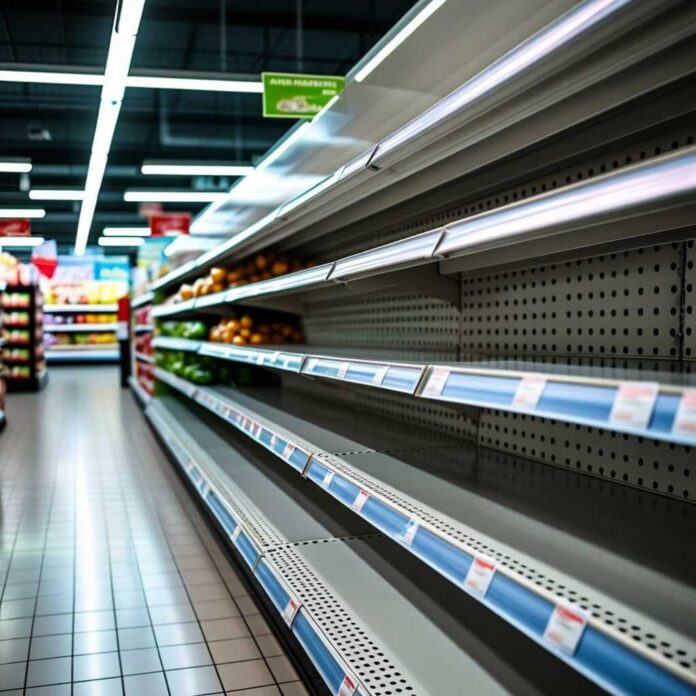
President Trump’s “no amnesty” pledge for migrant farmworkers now collides with a radical new plan: replace them with Medicaid recipients or risk watching American agriculture grind to a halt—leaving many to wonder, who will really pick America’s crops?
At a Glance
- Trump administration doubles down on “no amnesty” for undocumented farmworkers despite severe labor shortages
- New Medicaid work requirements force millions of able-bodied, childless adults to work or lose health coverage—farm labor is now on the table
- Farmers allowed to “vouch” for some workers, but no blanket protection from deportation
- Ongoing mass deportations and a push for automation risk crop losses and higher food prices
Trump’s “No Amnesty” Stance Meets Agricultural Reality
President Trump’s farm labor policy is a masterclass in political stubbornness—absolutely no amnesty for undocumented workers, even as every American with a taste for fresh produce relies on their labor. Trump’s campaign promise of mass deportations is alive and well, even as the agricultural sector faces a labor crisis that’s been decades in the making. The H-2A visa program, the government’s answer for “legal” farm labor, remains tangled in bureaucracy and leaves farmers begging for workers. Now, as deportations ramp up, the Trump administration is asking Medicaid recipients—able-bodied adults without children—to grab a bucket and head to the fields if they want to keep their health insurance. The message is clear: if you want government handouts, you’d better be ready to sweat for them in America’s heartland.
This policy shift comes as no surprise to those paying attention to the administration’s priorities: American jobs for American workers, no matter the cost, and a farm sector “moving toward automation.” Yet, the reality on the ground is, automation won’t pick strawberries or weed lettuce in July—it’s the human labor, mostly from migrants, that keeps America’s grocery stores stocked. The new Medicaid work requirements, part of the recently signed One Big Beautiful Bill Act, have thrust 34 million able-bodied adults into the potential farm labor pool. The administration argues that “there are plenty of workers in America,” they just need motivation—a.k.a. the threat of losing their Medicaid coverage. For the first time, farmers can “vouch” for certain undocumented workers, shielding them from deportation on a case-by-case basis, but the White House is adamant: this is not amnesty, just a temporary bandage on a gaping wound.
Farmers Caught Between Political Rhetoric and Economic Reality
For American farmers, the stakes have never been higher. Years of labor shortages, coupled with the threat of mass deportations, have left them scrambling. The H-2A visa program, even with promises of streamlined processing, is still a bureaucratic nightmare. Many farmers see the “vouching” option as a lifeline, but it’s a far cry from the stability they need to plan and harvest crops. Industry observers warn that mass deportations without a real replacement workforce could devastate U.S. agriculture, leading to crop losses, food shortages, and higher prices at the checkout line. The shift to Medicaid recipients as a labor source is untested and controversial—most experts agree that the physically demanding, low-wage reality of farm work will be a hard sell to those newly required to work for their benefits.
The administration’s solution? More automation. But everyone with dirt under their fingernails knows that robots are years away from replacing the hands that harvest most American crops. Farmers are caught in the crossfire between the White House’s “America First” rhetoric and the harsh economics of getting food from fields to the dinner table. Meanwhile, Congress sits on its hands, gridlocked as ever, leaving the agricultural sector twisting in the wind.
The Fallout: Who Pays the Price for “No Amnesty”?
The fallout of this new policy lands hardest on the most vulnerable. Undocumented farmworkers, who already live in the shadows, now face an ever-present threat of deportation, with only a sliver of hope if a farmer is willing to go to bat for them. Farmers themselves risk losing crops and livelihoods as the labor supply dries up. Medicaid recipients, many unaccustomed to the rigors of farm work, must choose between a paycheck in the fields or losing access to healthcare. And, as usual, it’s the American consumer who will pay the ultimate price—higher grocery bills, potential food shortages, and the slow erosion of a sector that once set the world standard for productivity and abundance.
Conservative commentators have praised the administration’s hardline stance, hailing the “no amnesty” approach and push for an all-American workforce as long-overdue corrections to decades of bad policy. Critics, however, see it as political theater—an unrealistic vision that puts ideology before economic reality. The experts are clear: automation is years away, Medicaid work requirements may not deliver the workers needed, and the farm sector is at risk. As the administration bets big on American grit, the question remains—who will be left to bring in the harvest?
Sources:
Trump Stuns MAGA by Allowing Illegals to Work on Farms
Trump’s Farm Labor Vision: All-American Workforce, No Amnesty for Undocumented Workers
Farmworkers Deportations USDA Plan Against Foreign Influence
U.S. Ag Secretary Says No Amnesty for Farm Workers in U.S. Illegally