

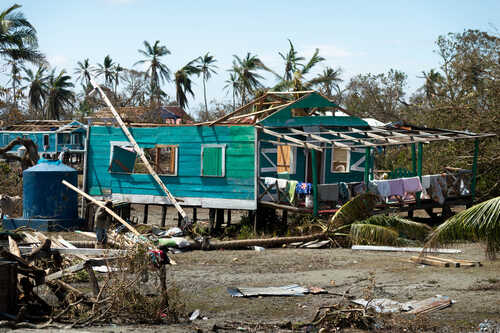
Hurricane Melissa’s devastation in Jamaica marks one of the most catastrophic natural disasters in the island’s history, leaving entire communities submerged and over half a million residents without power.
Story Highlights
- Category 5 Hurricane Melissa devastates Jamaica with 185 mph winds
- Massive flooding leaves towns underwater and 500,000 people without electricity
- International aid and emergency responses mobilized in the aftermath
- Uncertain death toll and ongoing assessment of total damage
Unprecedented Destruction and Human Suffering
On October 29, 2025, Hurricane Melissa, a Category 5 storm, made landfall in western Jamaica. With sustained winds reaching 185 mph, the hurricane submerged entire towns and caused massive power outages affecting over 500,000 residents. The scale of the disaster prompted an immediate response from local emergency services and international aid organizations.
The Jamaican government declared a state of emergency in affected regions. Initial reports indicate widespread infrastructure collapse, with the full extent of casualties and damage still being assessed. Videos show emergency workers navigating the wreckage in Black River, near the storm’s eyewall.
Historical Context and Vulnerabilities
Jamaica’s vulnerability to hurricanes is well-documented, with previous storms like Hurricane Gilbert in 1988 and Hurricane Ivan in 2004 causing significant destruction. However, Melissa’s intensity and rapid escalation were unprecedented, exacerbated by climate change and warmer ocean temperatures fueling stronger hurricanes in the Caribbean.
Jamaica’s infrastructure struggles to keep pace with growing storm severity. Many coastal and low-lying areas are particularly at risk due to inadequate drainage and housing standards, which worsens the impact of severe weather events.
Immediate and Long-term Implications
The short-term effects of Hurricane Melissa include mass displacement, a humanitarian crisis with shortages of shelter, food, and medical care, and significant disruptions to transportation and utilities. Long-term, the economic impact could be devastating, with losses from destroyed infrastructure, homes, and businesses.
Experts emphasize the need for improved early warning systems and resilient infrastructure to mitigate future disasters. The response to Hurricane Melissa underscores the importance of international cooperation in disaster management, as Jamaican authorities rely heavily on aid agencies to support recovery efforts.
As relief operations continue, it is crucial to address the potential for disease outbreaks due to contaminated water and poor sanitation. The recovery process is expected to be lengthy, with considerable demand for international aid and reconstruction funding. The tourism sector, a critical component of Jamaica’s economy, may also suffer due to damaged infrastructure and negative publicity.