
Thirteen lives vanished in seconds on a sunny sightseeing flight over the Nazca desert, raising hard questions about how “safe enough” we let tourist adventure feel.
Story Snapshot
- A tourist plane operated by Aerodiana crashed near Peru’s Nazca Lines, killing all 13 on board.
- The flight carried 11 foreign tourists and 2 Peruvian crew on a short scenic trip from Pisco.
- The aircraft went down near Pueblo Viejo, outside Nazca, and burned so fiercely no rescue was possible.
- Authorities have opened an investigation, while families in Europe and Peru wait for real answers.
A clear day, a famous wonder, and a flight that never came back
Tourists booked a simple thrill: a small-plane flight over the Nazca Lines, the giant figures carved into Peru’s desert that many people dream of seeing once in their lives. The aircraft, part of Aerodiana’s sightseeing fleet, took off from Pisco with 11 foreign tourists and two Peruvian crew members on board. They were headed toward the geoglyphs, not far away in flying terms. Within minutes, that routine trip became the worst kind of headline.
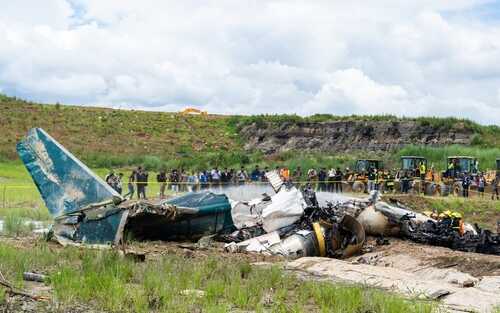
Local authorities say the plane crashed in the Pueblo Viejo area, a stretch of fields and scrub about four to seven miles from Nazca and roughly seven to twelve miles from the Nazca Lines site. Police and reporters describe a scene of wreckage scattered across the ground, the aircraft engulfed in flames and smoke that made any rescue impossible. For the people on board, there was no second chance and no time to escape. Everyone died at the scene.
Who was on board and what we know about the victims
Police Major Jorge Andrade told reporters that “11 passengers and two crew members have died,” and that the violence of the crash left no survivors. Several reports say the tourists were mostly European, including Italian, German, and Spanish citizens who came to see a UNESCO heritage site that feels almost otherworldly. Ages reportedly ranged from mid-twenties to late seventies, proof that the draw of adventure travel does not fade with age. The crew were Peruvian professionals who had flown this route many times before.
That mix matters. These were not thrill-seeking teenagers flying low for fun. They were ordinary travelers, many likely with families, who trusted a licensed company and a regulated system. From a conservative common-sense view, this is exactly why strong safety rules and honest oversight exist: to make sure a simple “bucket list” trip does not turn into a mass-casualty event. When those systems fail, the cost falls on people who did nothing wrong beyond stepping onto a plane they thought was safe enough.
The flight, the crash, and the unanswered questions about cause
Peruvian officials say the plane was on a sightseeing run over the Nazca Lines when it radioed an emergency to the Nazca airfield shortly before contact was lost. Other reports put the accident around 12:55 p.m. local time, as the aircraft was preparing to start its return journey toward Pisco. Moments later, it crashed into a field and caught fire, leaving twisted metal and burned debris where a flying machine had been. What happened between the emergency call and the impact is still not laid out in public detail.
Authorities have opened an investigation and say the accident’s cause remains unknown. One investigator from the Transport Ministry’s aviation accident commission has already said the plane appears to have exploded from the impact, not in midair. That points toward a violent crash rather than a bomb or dramatic in-flight breakup, which matters when ruling out foul play. Yet this still leaves many basic questions open: Did the engine fail? Did the crew lose control? Did weather or weight play a role?
Tourism, risk, and pressure on regulators and operators
The Nazca Lines sit in a region where small-plane sightseeing is big business. Tour operators, airlines, and local officials know that visitors come for the aerial view of those giant figures scraped into the earth. Aerodiana, the company named as operator, has built its reputation on such flights. When 13 people die on one of those flights, the push and pull between tourism income and hard safety standards jumps into view. Strong regulation is not anti-business; it protects honest companies and their customers alike.
LIVE: Outside morgue holding victims of Peru tourist-plane crash near Nazca Lines https://t.co/xBTBpEADZo
— Off The Press (@OffThePress1) August 3, 2026
From a conservative lens, the duty is simple: tell the truth, release the records, and hold people accountable if shortcuts played any part. Investigators need to look at maintenance logs, pilot training, flight plans, and any past issues with this route. Families in Europe and Peru should not have to fight bureaucracy to learn how their loved ones died. A country that wants tourism dollars must also accept the responsibility to prove that its skies, especially for paying visitors, are truly safe.
What comes next for the families and for Peru
As bodies are recovered and sent to morgues, foreign ministries work with Peru to identify victims and contact families. Those relatives now face a painful trail of paperwork, consular phone calls, and travel, all while they grieve someone who never came home from what looked like a simple holiday excursion. For them, this story does not end with “cause under investigation.” It ends only when they can match a clear, honest account of what went wrong with the life they lost.
For Peru, this crash is more than one bad day. It is a test of whether its transport and tourism systems treat foreign and local lives with equal seriousness. If the investigation is thorough, transparent, and followed by real changes where needed, trust can slowly rebuild. If it stalls in vague statements and quiet blame-shifting, then each future tourist flight over the Nazca Lines will carry not just paying customers, but a shadow of doubt that should never have been there.
Sources:
youtube.com, apnews.com, nbcnews.com, abcnews.com, aljazeera.com, nypost.com