
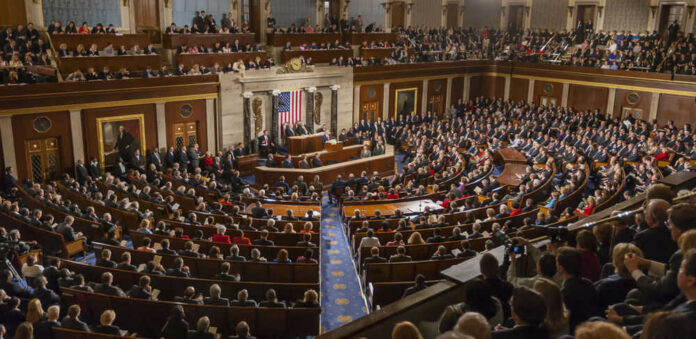
Senator Ted Cruz warned that the Muslim Brotherhood has built influence inside American institutions as Senate Democrats skipped the hearing in protest.
Quick Take
- Five Senate Democrats said the hearing was a “political creepshow” aimed at Muslims broadly.
- Cruz said the hearing would examine a domestic influence network tied to the Muslim Brotherhood.
- The Senate Judiciary Committee hearing page described the topic as “Hidden in Plain Sight: Confronting the Muslim Brotherhood Network in America.”
- C-SPAN reported Cruz was the only lawmaker present, after Democrats boycotted the session.
Cruz Frames the Hearing as a National Security Warning
Cruz used the hearing to argue that the Muslim Brotherhood has spent decades building power inside the United States. He said the group’s reach goes beyond foreign threats and into nonprofits, universities, taxpayer-funded programs, political groups, and the legal system. In his remarks, Cruz linked the issue to earlier terrorism-financing evidence and said the Senate should hold accountable those who finance and support terrorism on American soil.
Supporters of the hearing say that framing matters because the committee’s own title focused on a network, not on a faith. The Senate Judiciary Committee listed the session as “Hidden in Plain Sight: Confronting the Muslim Brotherhood Network in America,” which points to an alleged organization and not Muslim Americans as a whole. That distinction is central to Cruz’s defense, since he argued the inquiry targeted alleged influence operations, not religion.
Democrats Call the Hearing a Political Attack
Five Democratic members of the subcommittee said they would not attend and accused Cruz of scapegoating Muslims. In their statement, they said the hearing was meant to whip up voters and called it a “political creepshow,” especially after recent violence at places of worship. Their boycott turned the hearing into a partisan flashpoint before it even started, with each side accusing the other of bad faith and political theater.
C-SPAN reported that Cruz was the only member present, which gave the hearing an empty-chair look that critics quickly seized on. Cruz said the missing Democrats were avoiding evidence, while Democrats said the event itself was built on a false premise. That clash made the hearing less about procedure and more about how Washington handles terrorism concerns tied to Islam-related organizations without casting suspicion on ordinary Muslim Americans.
The El-Sayed Fight Raised the Stakes
The hearing also became a stage for Cruz to press claims about Michigan Senate candidate Abdul El-Sayed and his family ties. Coverage of the session said Cruz connected El-Sayed to the Brotherhood through alleged links involving family members and named Muslim organizations. Cruz’s message was clear: he wanted the hearing to show how influence networks, not just foreign terror cells, can shape American politics from the inside.
That line of attack helped explain why Democrats saw the hearing as more than routine oversight. Cruz’s remarks tied the Brotherhood to campus protests, advocacy groups, and public politics, which gave the event a broad cultural edge as well as a security angle. For conservative viewers, the hearing fit a familiar pattern: lawmakers sounding the alarm about organized influence, while opponents focused on optics, identity politics, and the fear of offense instead of the threat itself.
Sources:
jewishinsider.com, noticias.foxnews.com, reddit.com, cair.com, youtube.com