
A front-line U.S. destroyer went dark for four sweltering days, and the timeline tells a hard truth about readiness.
Story Snapshot
- The USS Benfold lost power on July 24 after a generator-related casualty, according to the Navy.
- Crew endured halted galley services, toilets, and air conditioning during the outage.
- Tugs towed the ship to Subic Bay on July 28; power returned July 30; repairs finished August 7.
- The destroyer rejoined operations and later reached Yokosuka after departing Subic Bay on August 8.
What Happened And When
U.S. Seventh Fleet said the guided-missile destroyer USS Benfold reported an engineering casualty involving its generators on July 24 while operating in the Indo-Pacific. That failure led to a loss of ship power and key services, including galley operations, toilets, and air conditioning. The Navy said there were no injuries to the crew. The ship was towed on July 28 and reached Subic Bay in the Philippines for repair support soon after.
Repair teams from the Ship Repair Facility, Japan Regional Maintenance Center, worked the casualty at Subic Bay. Seventh Fleet’s timeline states power was restored on July 30, all repairs were completed on August 7, and the ship got underway from Subic Bay on August 8. Coverage that cited Navy statements reported Benfold later returned to duty and sailed to Yokosuka, Japan, following the repair period. The Navy credited the crew’s steady response and reported no medical incidents tied to the outage.
The Ship’s Role And The Stakes
Reports placed Benfold with the USS George Washington Carrier Strike Group during routine operations when the casualty struck. A modern destroyer is the carrier’s Swiss Army knife. It screens air and missile threats, hunts submarines, and carries land-attack missiles. When a ship like that loses power, it loses propulsion, sensors, and most combat systems. That risk matters in the South China Sea, where close tracking by foreign militaries is common and time to respond can be short.
Four days adrift under heat is more than a comfort problem. Food service halts, sanitation stops, and living spaces turn harsh fast. The Navy confirmed those conditions and still reported zero injuries, which suggests good damage control discipline and strong leadership in the moment. The tow to Subic Bay shows a well-practiced playbook. Get to safe water, stabilize the plant, and hand off to a repair hub that can move parts and people at speed.
What The Timeline Shows About Readiness
The event fits a pattern that watchdogs have warned about for years. The Congressional Budget Office found chronic delays and labor overruns in maintenance for large conventional ships, which reduce the time destroyers spend at sea doing the job they were bought to do. The Government Accountability Office reported worsening sustainment metrics across multiple ship classes, including more casualty reports and fewer steaming hours over a decade. Those findings explain why a single failure gets so much attention: the fleet runs tight, so margin is thin.
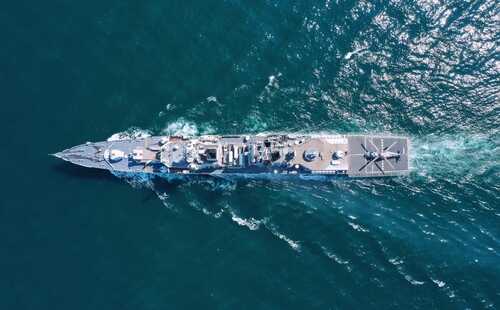
The Arleigh Burke class guided missile destroyer USS Benfold (DDG-65) suffered an engineering casualty affecting its power-generation system on July 24 while conducting routine operations in the South China Sea with the USS George Washington (CVN-73) Carrier Strike Group.
The… pic.twitter.com/52FrU5Cqeb
— OSINTdefender (@sentdefender) August 15, 2026
The timeline also shows the system can still move when it must. Towing by day four, power back by day six, and repairs complete in under two weeks at a forward site is not luck. That is logistics, preplanned access, and allied port capacity working together. The lesson for policymakers is straightforward. Fund maintenance on time. Reward commanding officers who push preventive work. Expect engineering depth in crews. American conservative values prize accountability and results; ships either work on demand or they do not.
What Comes Next For The Fleet
Benfold’s crew did their part under stress, and the repair teams closed the gap. Leadership now owes the sailors a full fix and a clean record going forward. Independent reviews point to common-sense steps: lock maintenance schedules, protect training time, and stop raiding parts from one ship to keep another afloat. The South China Sea does not grant do-overs. Every watchstander knows that power is survival, and survival is deterrence. Keep the lights on, and enemies think twice.
Sources:
opex360.com, reddit.com, cbo.gov, gao.gov, stripes.com