
When the ground stopped shaking in La Guaira, the real fault line opened between survival and crime.
Story Snapshot
- Quake survivors in La Guaira grabbed food, water, and medicine as aid arrived in a slow trickle.
- At the same time, others hauled out refrigerators and televisions, feeding a harsh “opportunistic looters” story.
- Security forces focused on rescuing people from rubble, leaving shops and warehouses exposed.
- The clash over whether this was survival or simple theft echoes what disaster research has warned for years.
Quake damage turned a coastal city into a camp of the displaced
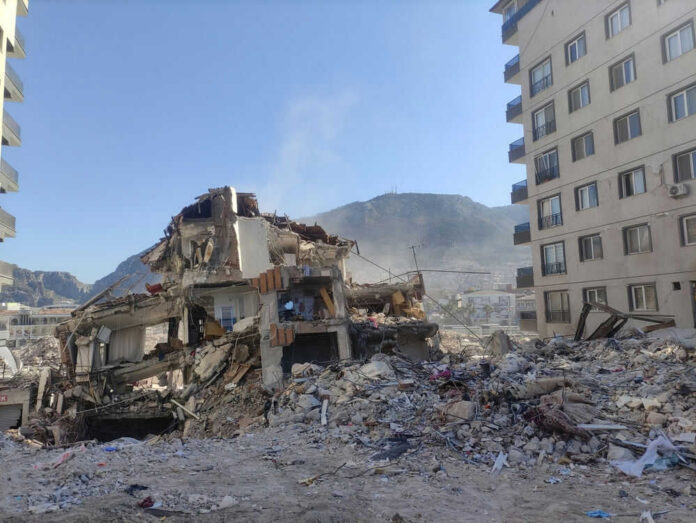
Back-to-back earthquakes hit Venezuela’s coastal state of La Guaira and turned whole neighborhoods into rubble piles and street camps.[1][7] Families slept on highway medians, parks, and stadium floors because they feared cracked buildings or had no homes left to return to.[1] Hospitals reported thousands of injured, and officials raised the death toll sharply as rescue teams dug through ruins.[1][7] People lived outside, exposed, with little clear sense of when food, water, and shelter would truly reach them.
While the government declared a disaster zone and state of emergency, real help on the ground came slowly.[1][7] El País described aid simply “trickling in,” with no steady flow of basics like food and clean water into the hardest-hit neighborhoods.[1] This delay fits what disaster researchers have found many times: when logistics break down, people are left to fend for themselves in the first days after a catastrophe.[13] In that gap between promise and delivery, survival choices get harder and often start to look like crime.
Looting began where need and damage were greatest
Nightfall brought a clear shift in La Guaira: rescue during the day, looting at night.[1][3] Reports from Catia La Mar and other coastal areas show shops, warehouses, and supermarkets hit first, especially in zones where the earthquakes had done the most damage.[2][3] People went into a partially burned supermarket and came out with bags full of goods.[5] Reuters and local outlets described groups entering damaged buildings in Catia La Mar to take food, water, and clothing.[4][6] The pattern matched what studies say usually happens: shops holding logistics get targeted when no other source of basics exists.[13]
Survival intent showed up in small, human details. CNN highlighted a resident who managed to salvage only “cookies, water, and underwear” from their own damaged building—bare essentials for the first hours after losing everything.[5] Footage and field reports described people grabbing staple foods, bottled water, and medicine from wrecked stores.[1][4] Disaster research notes that such behavior is common in the first week when clean water, food, and shelter are scarce, and formal assistance has not reached everyone.[13] These acts match desperation more than greed, even if they break property laws.
The same chaos opened the door to blatant opportunism
Not every person running out of a shop was clutching bread and medicine. Oneindia’s report and El País both show motorcycles hauling refrigerators and televisions out of La Guaira’s commercial areas.[1] Some residents “took advantage of the disaster to carry off whatever remained in the shops,” including furniture and appliances clearly beyond bare survival.[1] This is exactly the mix disaster scholars warn about: many people take necessities, but some abuse the chaos to grab high-value goods they would never afford otherwise.[13]
These images of bulky electronics on motorbikes are catnip for major media and for officials who want to send a tough message. Television segments framed the scenes as “shocking” and “opportunistic looting,” reinforcing the idea that this was simple theft, not survival.[1] According to previous hurricane and earthquake field studies, media often cherry-pick such visuals and underplay quieter acts of community support and sharing that happen in the same streets.[14] Once the “opportunistic looters” narrative sticks, every bag of rice starts to look like a stolen television.
Rescue priorities and slow aid left businesses exposed
Security forces were not absent in La Guaira; they were overwhelmed and focused elsewhere. Officials explained that police, soldiers, and rescue teams were busy pulling survivors from collapsed residential buildings when the looting began in commercial zones.[1][9] That choice makes moral sense: American conservative values put life ahead of property when seconds matter. But it also means shops and warehouses sat unguarded as night fell, deepening the temptation for both the desperate and the opportunistic.
🇻🇪 Venezuelan police officers were caught looting in the aftermath of the earthquake
Residents are filming officers loading numerous boxes of goods into the police vehicles
"Local government in La Guaira will be militarized and additional armed forces would be deployed to… https://t.co/OJceiQdtcI pic.twitter.com/Q1wA8lRkIc
— Lord Bebo (@MyLordBebo) June 28, 2026
The government’s answer was familiar: declare a state of emergency, deploy the military, and criminalize all unauthorized taking of goods.[1][7] Dozens of arrests for looting were reported as troops moved into La Guaira’s streets.[9] From a law-and-order perspective, this looks clean and decisive. Yet it does little to separate a father grabbing diapers and water from someone hauling out a new television. Disaster sociology warns that when states focus only on control, they often ignore the logistical failures that drove people to break the law in the first place.[13][15]
The deeper pattern: unmet needs, harsh labels, and messy truth
Scholars who study disasters see La Guaira as part of a long-running pattern. Looting after earthquakes and hurricanes is usually far less common than during riots, and most of it involves food, water, shelter, and fuel.[13] Fieldwork after major storms has shown strong community solidarity, with people sharing what they took and helping neighbors survive.[14] Yet news coverage and official statements often zoom in on the worst scenes and talk about “lawlessness,” “theft,” and “thugs,” which paves the way for aggressive crackdowns.[14][15]
La Guaira’s story sits right on that fault line. On one side are people sleeping outside, scavenging cookies and water from ruined buildings, and entering burned supermarkets for basic supplies while aid crawls in.[1][4][5] On the other side are riders stacking refrigerators on motorcycles and emptying shops of electronics under cover of darkness.[1] Common sense says both survival and opportunism were present. A serious, conservative view does not excuse crime, but it also refuses easy labels that treat every hungry family like a looter with a stolen television.
Sources:
[1] YouTube – Venezuela quake survivors turn to looting
[2] YouTube – Furniture, Appliances& More Looted In La Guaira
[3] Web – Aid trickles in, survivors sleep outside, and looting breaks out in La …
[4] Web – Reports of looting emerged in Venezuela’s La Guaira region …
[5] Web – Looting Reported After Venezuela Earthquake … – Facebook
[6] Web – June 24-25, 2026 — Venezuela rocked by 7.5 and 7.2 magnitude …
[7] Web – La Guaira, Venezuela in the immediate aftermath of the June 24 …
[9] Web – Venezuela earthquakes updates: Rescue efforts on as death toll hits …
[13] Web – La Guaira, Venezuela before and after the earthquake on June 24 …
[14] Web – Venezuela Live Updates: Window Narrowing to Find Survivors as …
[15] Web – On 25 June 2026, the Federal Council took note of the devastating …