
Declassified intelligence unveils a shocking plot by the Clinton campaign to falsely link Trump to Russia, raising serious questions about political manipulation and the integrity of our democratic processes.
Story Overview
- Newly released documents reveal Clinton campaign’s plan to tie Trump to Russia.
- FBI and media allegedly expected to amplify the narrative.
- Revelations reignite debates on politicization of intelligence and law enforcement.
- Public trust in democratic institutions further eroded.
Clinton Campaign’s Alleged Plot Unveiled
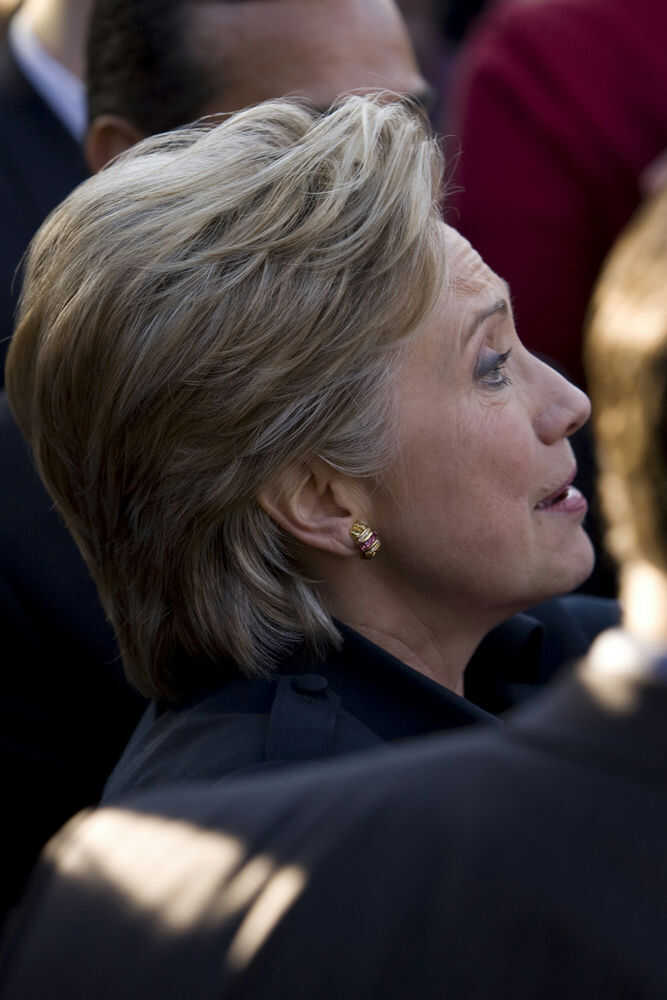
Newly declassified intelligence exposes a scheme by Hillary Clinton’s 2016 presidential campaign to link Donald Trump to Russian interference. This revelation, detailed in Special Counsel John Durham’s report, suggests that the Clinton campaign approved a plan to distract from her email scandal by promoting a false narrative of Trump-Russia collusion. These narratives were expected to be amplified by the FBI and media, a tactic that raises grave concerns about the manipulation of public opinion and democratic processes.
— Real America's Voice (RAV) (@RealAmVoice) July 31, 2025
The declassified documents, including intercepted communications and internal memos, provide evidence of the Clinton campaign’s strategy. The plan, allegedly proposed by campaign adviser Julianne Smith and supported by Open Society Foundations official Leonard Benardo, sought to divert attention from Clinton’s controversies. The FBI’s involvement in this scheme, whether intentional or as a pawn in a political chess game, is a damning reflection of the agency’s politicization under previous administrations.
Implications for Intelligence and Law Enforcement
The release of these documents has reignited debates about the politicization of intelligence and law enforcement agencies. The FBI’s role, whether as an active participant or an unwitting accomplice, in propagating the Trump-Russia narrative calls for urgent reform and oversight. This revelation underscores the need for transparency and accountability within these institutions to restore public trust and ensure they serve the interests of justice, not political agendas.
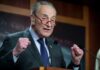
Senator Chuck Grassley, who released the declassified annex, has been a vocal critic of the FBI’s handling of the investigation. He has called for renewed scrutiny and accountability, emphasizing the need to prevent intelligence and law enforcement from being weaponized for political ends. This call resonates with many who are frustrated with the erosion of trust in government institutions and the perceived partisanship of agencies tasked with upholding the law.
Impact on Public Trust and Political Landscape
The implications of this revelation are profound, with the potential to reshape the historical narrative of the 2016 election and subsequent investigations. The Clinton campaign’s alleged manipulation of intelligence and media narratives has deepened partisan tensions and skepticism toward official narratives. This erosion of trust in democratic processes and institutions threatens the very fabric of our democracy.
The long-term effects may include legislative or regulatory changes aimed at preventing future politicization of intelligence and law enforcement. The revelations serve as a sobering reminder of the dangers of unchecked political power and the need for vigilant oversight to protect the integrity of our democratic institutions.