

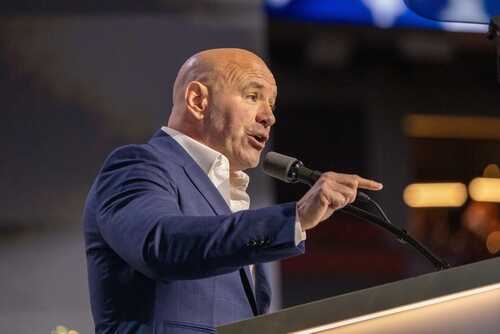
UFC CEO Dana White’s powerful rebuke of the “toxic masculinity” narrative on national television signals a fierce pushback against woke culture, igniting debate over what it means to defend unapologetic masculinity in American sports.
Story Snapshot
- Dana White rejected the concept of “toxic masculinity” in his September 2025 “60 Minutes” interview, calling the notion of being “too masculine” absurd.
- White’s stance positions UFC as a bastion of unapologetic masculinity, pushing back against cancel culture and leftist attacks on traditional values.
- The interview sparked renewed debate about masculinity, free speech, and cultural norms—issues at the heart of ongoing American culture wars.
- UFC’s brand identity is now central in the broader fight against woke agendas and the erosion of conservative values in mainstream sports.
Dana White’s Stand: Challenging Woke Narratives in Sports
Dana White, CEO of the Ultimate Fighting Championship, made headlines on September 28, 2025, for his candid remarks during a televised “60 Minutes” interview. White dismissed the idea of “toxic masculinity,” emphasizing there is no such thing as being “too masculine.” His assertion came as a direct response to pointed questions about the UFC’s culture and its reputation for celebrating male bravado. White’s comments have galvanized conservative audiences, many of whom view his stance as a long-overdue defense against the relentless push of leftist social engineering and cancel culture targeting traditional American values.
White’s unapologetic rhetoric has positioned the UFC as more than just a sports league—it’s now seen as a cultural stronghold for American masculinity and free speech. Under his leadership, UFC has embraced its identity as a sport that celebrates toughness, competition, and resilience, qualities often attacked by progressive critics. By publicly rejecting cancel culture and defending the right of athletes to speak freely, White has differentiated UFC from other organizations that have capitulated to woke policies and media pressure. This approach resonates deeply with conservative audiences frustrated by years of “woke” agendas undermining family values and constitutional rights.
UFC’s Evolution: From Fringe to Mainstream and the War on Masculinity
Since its founding in 1993, UFC was often criticized for its violent nature and lack of regulation, relegated to the fringes of American sports. Dana White’s presidency, beginning in 2001, transformed the organization into a multi-billion-dollar enterprise with global reach. Through strategic marketing, celebrity endorsements, and regulation, UFC broke into the mainstream, cultivating a large male fan base while steadily increasing female viewership. Yet, as UFC’s popularity surged, it became a lightning rod for cultural debates about masculinity, gender roles, and the boundaries of acceptable speech. White’s “60 Minutes” interview occurred against the backdrop of heightened scrutiny, as progressive activists and media outlets pressured sports leagues to conform to evolving social norms.
The timing of White’s remarks is significant. With President Trump back in office and the Biden administration’s era of “woke” policies receding, many Americans feel emboldened to reclaim traditional principles. UFC’s refusal to bend to leftist agendas is seen as a victory for those who believe American institutions have been weakened by globalist ideologies, government overreach, and attacks on the Constitution. White’s stance directly confronts the absurdity of labeling masculinity as “toxic,” instead framing it as an essential component of individual liberty, self-defense, and personal responsibility—values under siege in recent years.
Cultural Impact: Free Speech, Cancel Culture, and Conservative Values
White’s interview has sparked widespread media coverage and social media debate, with both supporters and critics weighing in. Many sports analysts and conservative commentators praise White for leveraging controversy to strengthen UFC’s brand identity and grow its audience. Supporters argue that UFC’s unapologetic approach appeals to Americans who feel alienated by progressive cultural norms and want entertainment that reflects their values. Critics, however, claim that White’s stance risks reinforcing old stereotypes and excluding certain groups. Academic experts in gender studies have weighed in, warning about the dangers of “unapologetic masculinity,” while others defend the right to diverse expressions of manhood.
Despite the controversy, UFC continues to expand its global reach, attracting new fans and solidifying its reputation as a sport that champions free speech and traditional principles. White’s opposition to cancel culture and defense of athlete speech contrast sharply with other leagues that have cracked down on personal expression. This divergence has made UFC a case study in the battle over cultural and constitutional values in American society. As media coverage intensifies, UFC’s approach may influence other sports organizations to reevaluate their own stances on masculinity, speech, and league branding.
‘Hell no!’: UFC’s Dana White tells ’60 Minutes’ there’s no such thing as being ‘too masculine’ https://t.co/e7JUxNScDD
— JaneDoe (@JaneOpines) September 29, 2025
The broader implications of White’s interview extend beyond the octagon. UFC’s market positioning may impact sponsorships, partnerships, and long-term growth, while ongoing debates about masculinity and free speech shape public perception and regulatory scrutiny. Political figures and commentators are likely to leverage this controversy in the larger struggle against government overreach and the erosion of values central to American life. For conservative audiences, White’s vocal stand serves as a rallying point—a reminder that defending individual liberty and traditional principles is not only possible but necessary in the face of relentless cultural pressure.
Sources:
Dana White: UFC CEO talks MMA business on ’60 Minutes’ – CBS News
Dana White ’60 Minutes’ Interview Video (2025-09-28) – CBS News