

California’s new AB 2624 makes posting images or personal details of immigrant-aid workers a crime in some cases, triggering a direct clash with free speech and watchdog journalism.
Story Highlights
- Governor Gavin Newsom signed AB 2624, expanding address confidentiality and adding anti-doxxing rules for immigrant-aid workers.
- Critics warn the law can chill watchdog reporting and public filming that exposes waste or fraud.
- The law launches a new confidentiality program under the Secretary of State and sets penalties for targeted posting meant to incite violence.
- Supporters cite rising threats; opponents say vague language risks muzzling citizen journalists.
What Newsom Signed And When It Takes Effect
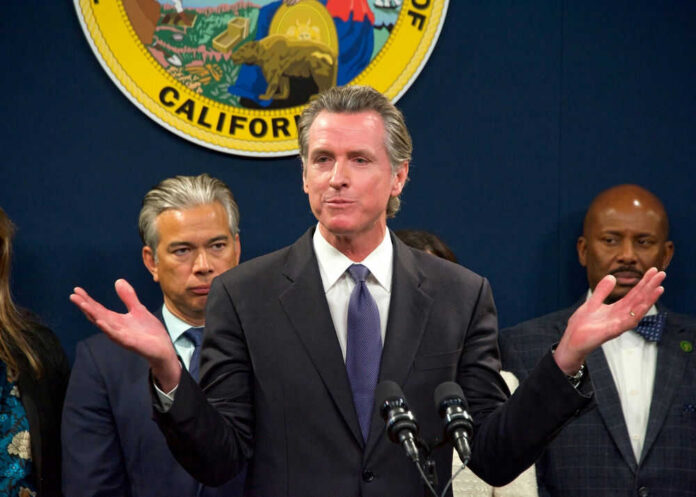
Governor Gavin Newsom signed Assembly Bill 2624 into law, creating an address confidentiality program for immigrant-aid workers and volunteers, and adding anti-doxxing penalties tied to threats and incitement. The program will be run by the California Secretary of State. Public reporting shows the confidentiality component begins October 1, 2027, giving agencies time to set up the system. The new rules target publishing personal data online when intended to incite violence against these workers.
California already runs Safe at Home, which shields the addresses of domestic violence survivors and other at-risk groups. AB 2624 extends that model to designated immigration support services providers, employees, and volunteers who report threats or harassment. The Senate Public Safety analysis says the goal is to protect these workers from doxxing and intimidation. The measure includes online privacy provisions and directs the state to handle participation and records with set guardrails.
Supporters Say Targeted Workers Need Protection
Backers argue immigration-aid employees and volunteers face rising harassment because of their work, including threats and unwanted exposure of home addresses. They say the law focuses on intent to incite violence, not on routine criticism. The aim, they claim, is to stop targeted attacks, not to block debate about immigration policy. The Los Angeles Times report explains the law bars posting personal information online with the intent to incite violence, fitting within anti-doxxing efforts.
California’s existing code already punishes some cyber harassment and doxxing behavior. The state’s Safe at Home framework and related laws show a long-standing approach to protect people at credible risk when personal data becomes a weapon. AB 2624 builds on that logic by adding a defined class of covered workers. The Secretary of State’s public program record outlines how address confidentiality has operated in practice for other groups.
Opponents Warn Of A Free Speech And Accountability Chill
Opponents, including Republican lawmakers and independent creators, warn the bill’s language could sweep in news gathering, public filming, and citizen-led exposure of misuse of funds. They argue nonprofits that receive taxpayer money must stay open to scrutiny, and fear the threat of civil or criminal penalties will push people to self-censor. A national report summarized those concerns as a chill on journalism and access to public information.
STOP NICK SHIRLEY ACT
It couldn't be more obvious that the California legislature is protecting fraudsters because they themselves are getting kickbacks. https://t.co/YPALF4mIAb— OtherSideoftheMountain (@WhatJayneSaw) August 23, 2026
Assembly and media coverage quoted critics reading bill text that appears to restrict posting images of designated workers online in certain contexts. They say that clause could be used to force takedowns and penalize watchdogs, even when the footage was taken in public, if targets later assert fear and intent elements are claimed. Free speech scholars and advocates have warned that anti-doxxing laws must be narrow to avoid stepping on protected, newsworthy reporting about public operations.
How The Law’s Lines Will Be Tested
Courts often look at intent, imminence, and newsworthiness when speech and safety claims collide. AB 2624 hinges on intent to incite violence and on the status of protected workers. That focus may help defend the law. Still, any case that touches public filming and online posting could spark fast legal challenges. The outcome will likely turn on whether enforcement targets true threats and harassment, not reporting that exposes fraud, waste, or abuse in publicly funded programs.
Californians value both safety and open oversight. The practical test will be how agencies and courts apply AB 2624. Clear training, narrow guidance, and respect for First Amendment protections will matter. If the state uses the law only against incitement and stalking tactics, it may pass muster. If it chills citizen oversight, it will face strong pushback from journalists, watchdogs, and constitutional advocates who refuse to be silenced.
Sources:
nypost.com, fastdemocracy.com, calmatters.digitaldemocracy.org, leginfo.legislature.ca.gov