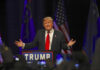

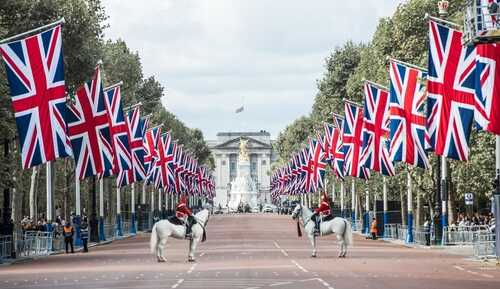
A full royal reception for President Trump emphasizes the enduring UK-US alliance despite past political turbulence.
Story Highlights
- The King, Queen, Prince, and Princess of Wales all participated in welcoming President Trump.
- Elaborate pageantry marked the state visit, underscoring its diplomatic significance.
- The event highlighted the “special relationship” between the UK and the US.
- Public reactions varied, with support and criticism both evident.
Royal Engagement Marks Historic Diplomatic Display
In an unprecedented show of royal unity, the King, Queen, Prince, and Princess of Wales welcomed President Donald Trump and First Lady Melania Trump to the UK. This elaborate display of pageantry underscored the diplomatic importance of the visit, which symbolized the strength of the UK-US relationship amidst a backdrop of recent global political shifts. The event was designed to reinforce ties and project stability in a period marked by significant international scrutiny.
The full participation of senior royals in the greeting ceremony is rare, reserved for moments of exceptional significance. The decision to include the entire senior royal contingent reflects the UK’s commitment to maintaining its “special relationship” with the United States, a cornerstone of Western diplomacy since World War II. The traditional elements, including military honors and a state banquet, were carefully orchestrated to honor the visiting head of state and showcase British heritage.
Public Reaction and Political Implications
The royal welcome sparked mixed reactions among the public. While some viewed the event as a testament to the enduring alliance between the two nations, others criticized the extravagance amid economic challenges. The event provided a platform for discussions on trade, security, and international cooperation, with both countries seeking to leverage the visit for political and economic advantage. However, the cost and relevance of such pageantry in modern times have sparked debate about the role of the monarchy and tradition in contemporary diplomacy.
The state visit concluded without major incidents, yet its long-term diplomatic impact remains a topic of analysis. The visit set a precedent for future state visits, potentially influencing the level of royal engagement in future diplomatic protocols. Analysts and commentators continue to assess the implications for both nations as they navigate evolving political landscapes and global alliances.
Historic Context and Future Prospects
The ceremony at Buckingham Palace, London, was steeped in history, with state visits serving as public affirmations of international alliances. The heightened security and extensive media coverage highlighted the event’s significance, drawing global attention to both the ceremonial and political aspects. As the US and UK continue to face shared challenges, such events remind us of the importance of diplomacy and mutual respect in navigating the complexities of international relations.
While the full impact of the visit is still being evaluated, the royal family’s participation in welcoming President Trump is a testament to the enduring power of diplomatic symbolism. This event not only reinforced the special relationship between the UK and US but also set a new standard for royal engagement in state visits, which may influence diplomatic protocols in the future.
Sources:
BBC News. “Trump UK state visit: What happened during the President’s trip?”
The Guardian. “Donald Trump’s state visit: Royal protocol and political controversy.”
The Times. “Royal family’s full turnout for Trump marks new era in state visits.”
CNN. “Trump’s UK visit: Pageantry, politics, and protests.”
The New York Times. “Trump’s State Visit to Britain: A Royal Welcome and Political Tensions.”
Buckingham Palace, Official Press Releases.
White House, Official Statements.
“`