
Russia’s overnight missile-and-drone barrage slammed Kyiv as President Volodymyr Zelensky demanded more United States Patriot missiles, putting new pressure on Washington and allies amid rising costs and risks.
Story Snapshot
- Russia launched a large strike on Kyiv with missiles and drones, killing and injuring civilians, according to Ukrainian officials.
- Moscow said it targeted defense-industry and logistics facilities in the capital, calling the attack retaliatory and military in nature.
- Ukraine’s leaders renewed calls for more air defenses, including United States Patriot systems, after gaps showed in recent barrages.
- The scale of strikes fits a recurring pattern of mass salvos on Kyiv with mixed missiles and drones since 2024.
What Happened In Kyiv Overnight
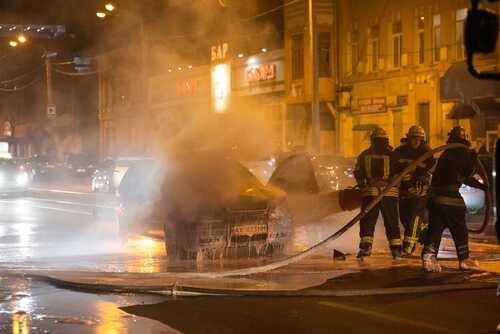
Ukrainian officials reported a deadly overnight attack on Kyiv that used ballistic missiles and swarms of drones. Local leaders said explosions hit several districts, causing fires, collapsed structures, and civilian deaths. Emergency crews worked through the night as residents sheltered in subway stations and basements. Reporters on the ground described long air raid alerts and repeated blasts. International outlets tallied dozens of missiles and large numbers of drones in the strike package, with casualties and building damage confirmed by city authorities.
Russia’s Defense Ministry said the operation targeted Ukrainian military-industrial sites, logistics hubs, and related facilities in Kyiv. Moscow framed the action as a massive, precision strike aimed at degrading Ukraine’s defense production and support nodes. The statement described the strike as retaliatory and legal under the laws of war. Ukraine rejected that framing, pointing to civilians killed and damaged apartment blocks, schools, and other non-military sites recorded after impact across the city.
Zelensky’s Renewed Push For Air Defenses
President Volodymyr Zelensky again urged partners to rush more air defenses, naming Patriot systems from the United States as a top need. Ukrainian officials said recent salvos exposed gaps as missiles slipped through layered defenses. Public appeals have stressed that more launchers and interceptors could limit civilian deaths and infrastructure losses. News reports described a persistent shortfall of high-end interceptors during large attacks, which increases the odds that at least some missiles will hit their targets even after shootdowns.
Western coverage has shown this cycle before: Russia fires mixed salvos, Ukraine intercepts many, and the remainder causes deaths and damage that prompt new calls for help. Kyiv’s leaders say added batteries can protect power, hospitals, and industry. Lawmakers in NATO states face hard choices after years of aid, stockpile drains, and rising costs. American taxpayers continue to ask what the mission is, how long it lasts, and how each added dollar or missile serves United States interests and security in a dangerous region.
Why Russia Says These Are Military Targets
Russian statements after past Kyiv barrages have stressed strikes on defense factories, airfields, fuel depots, drone production, and command nodes. Outlets that cited the ministry described the latest attack in the same terms. This claim repeats a wartime pattern where Russia asserts a military aim while Ukraine documents civilian harm and structural damage. Independent verification of each claimed defense-industry hit is often limited in the first hours after impact because sites are cordoned and debris fields are active and unsafe.
International reports have tracked a steady rise in large-scale salvos, with hundreds of drones and dozens of missiles used in single nights against Ukraine’s capital and other cities. Kyiv has been a frequent focus of these attacks. This shows a systemic campaign rather than a one-off strike. The repeated use of mixed systems strains defenders. Drone swarms can soak up interceptors and distract radars, while ballistic missiles close the distance fast and are harder to stop without high-end systems like Patriot batteries and enough ready interceptors.
What This Means For The United States
United States leaders now face fresh pressure to supply more Patriots and interceptors as Ukraine asks for urgent help. That decision carries costs, tradeoffs, and risks. Patriots are scarce, expensive, and needed for United States forces and key allies. Each battery sent abroad must be crewed, trained, supplied, and maintained. Voters also worry about spending while energy prices, debt, and border concerns compete for attention at home. Clear goals and tight oversight are needed before more high-end systems leave United States stockpiles.
Russia claims its overnight assault struck the heart of Ukraine’s missile industry, drone production and military logistics. Kyiv is showing destroyed homes and reporting civilian deaths. Moscow’s detailed target list remains independently unverified. ⚠️
According to Russia’s…
— Vox Resoviae (@VoxResoviae) August 1, 2026
President Trump has said United States policy must put American security first. That includes guarding critical munitions, keeping industry strong, and avoiding open-ended commitments. Ukraine’s defense is important to European stability, but Washington must weigh every shipment against our own readiness. Congress should demand clear metrics: what each added launcher protects, how many interceptors will be used per month, and how Europe will surge its own air defenses so the United States does not shoulder the full load indefinitely.
Sources:
france24.com, reuters.com, npr.org, cnbc.com