

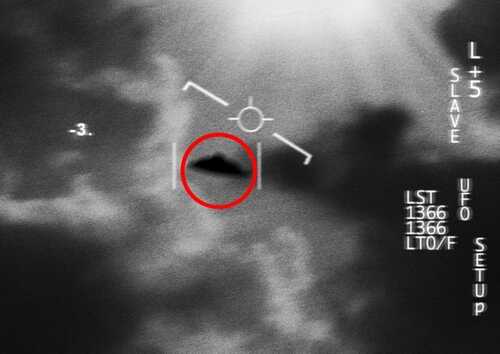
A U.S. missile striking a glowing UFO off Yemen and bouncing off without effect has unleashed new questions about national security, military readiness, and government transparency under the renewed Trump administration.
Story Snapshot
- First-ever video revealed of a U.S. missile physically failing to damage a UFO during active combat operations.
- Incident occurred in October 2024 off Yemen; footage released publicly in a 2025 House Oversight hearing.
- Experts and lawmakers call the missile’s failure “anomalous” and press for deeper investigation and transparency.
- The Pentagon has not explained the object’s resilience, prompting scrutiny of U.S. military preparedness and technology.
Unprecedented Missile Encounter Raises National Security Alarms
On October 30, 2024, U.S. drone operations targeting Houthi militants off Yemen captured remarkable footage of an MQ-9 Reaper firing a Hellfire missile at a mysterious glowing orb. The missile makes clear contact but fails to destroy or even visibly damage the object, which continues its flight path undisturbed. This encounter was first made public in a House Oversight Committee hearing in September 2025, marking the first instance of kinetic engagement between U.S. weaponry and a UAP (Unidentified Aerial Phenomenon) caught on video. The implications for U.S. defense and national sovereignty are immediate and profound, especially after years of demands for greater government openness on UAP matters.
Military experts and congressional witnesses described the incident as “highly anomalous” and “unprecedented.” Unlike previous UAP encounters involving only visual or radar data, this case provides direct evidence of a U.S. missile failing to impact a target whose origins and capabilities remain unknown. The event’s setting—a maritime combat zone with U.S. forces defending against hostile Houthi attacks—underscores the operational complexities and potential risks to American personnel and assets. The Pentagon, citing ongoing investigations, has so far offered no substantive explanation for the object’s resilience or material properties.
Transparency and Accountability Demanded by Congress
Rep. Eric Burlison, who released the footage during the House hearing, emphasized the urgent need for transparency and further investigation. Congressional oversight bodies have intensified scrutiny of UAP incidents, echoing public frustration over years of government stonewalling. The renewed calls for openness reflect a broader conservative demand for constitutional oversight—ensuring that military and intelligence agencies remain answerable to the American people rather than operating behind layers of secrecy. The incident has sparked debate over whether prior administrations withheld vital information, fueling distrust among citizens who expect strong, accountable leadership.
Whistleblowers played a critical role in bringing this footage to light, reflecting a growing movement among insiders who believe the public deserves answers about potential threats. Their actions have further ignited discussion about the balance between national security and the people’s right to know, a core issue for those concerned about constitutional government and the dangers of unchecked bureaucratic power. The Trump administration’s posture has so far favored greater disclosure, responding to years of public concern over government overreach and lack of transparency.
Military Readiness and Technological Implications
Defense analysts warn that the missile’s ineffectiveness may signal technological gaps or unknown threats that could undermine U.S. military superiority. Lue Elizondo, a former Pentagon intelligence official, described the event as “unprecedented,” noting that Hellfire missiles are known for their destructive power but appeared to make no impact in this case. Some experts suggest the object may possess advanced material properties or technology beyond current U.S. capabilities, while skeptics urge rigorous review to rule out sensor errors or misinterpretation. Regardless, the incident has catalyzed urgent reviews of engagement protocols and weapon system upgrades within defense circles.
The broader defense and intelligence community is now pressed to reevaluate their approach to unidentified threats, particularly in high-tension zones where American forces are at risk. While the object’s true nature remains unconfirmed, the footage has provided new impetus for research and development—potentially spurring industry and government to close any gaps that adversaries, foreign or otherwise, might exploit. The episode also raises concerns about the adequacy of whistleblower protections and the need for robust congressional oversight to prevent future lapses in accountability and readiness.
Ongoing Investigation and Public Outcry
The Pentagon maintains that the incident is under investigation, with no official explanation for the object’s apparent invulnerability. Media coverage and expert analysis have amplified calls for declassification and further public hearings. The American public—long frustrated by evasions and half-answers—now expects a full accounting, especially as national security and technological dominance remain at stake. The Trump administration faces mounting pressure to deliver results, uphold constitutional checks, and restore trust in government stewardship of critical security matters.
This event has not only heightened public scrutiny of UAP incidents but has also raised the stakes for how the U.S. government responds to emerging, unexplained threats. The outcome of ongoing investigations and policy debates will be closely watched by those committed to defending American sovereignty, transparency, and technological leadership.
Sources:
CBS News: Video shown at House hearing appears to show US missile striking unidentified object
ABC News: Congressman shows video of ‘unidentified’ object at military UFO hearing