
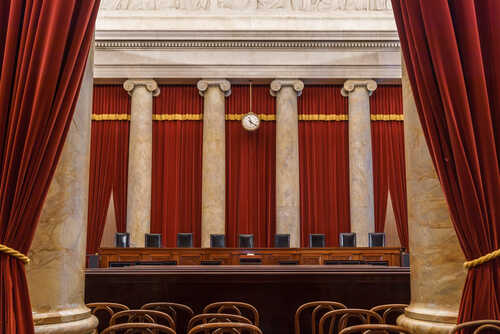
Utah judge delivers victory for transparency by rejecting defense bid to hide Charlie Kirk’s murder trial from public cameras, ensuring Americans witness justice for a conservative icon’s assassin.[1][2][3]
Story Highlights
- Judge Tony Graf rules on May 8, 2026, denying motion to ban cameras, preserving livestream access to Tyler Robinson’s trial.[1][2][3]
- Prosecutors, media groups, and Kirk’s widow Erika Kirk back cameras to combat conspiracy theories after Kirk’s September 10, 2025, assassination.[2]
- Graf tightens rules by placing cameras behind Robinson, preventing shots of shackles after prior media violations.[1][2]
- Preliminary hearing delayed to July 6-10, 2026, balancing defense rights with victim’s family push for swift justice.[2]
Judge Rejects Camera Ban
State District Judge Tony F. Graf, Jr., of Utah’s 4th Judicial District in Provo, ruled on May 8, 2026, that news outlets may continue filming, photographing, and livestreaming Tyler Robinson’s murder trial. Graf denied the defense motion outright, stating the presumption of electronic media coverage stands. He emphasized livestreaming enables public observation of the justice system and holds government accountable.[1][2][3]
Graf evaluated defense claims of jury bias from pretrial publicity and courtroom broadcasts. Defense attorneys argued live feeds fuel stories portraying Robinson as unremorseful, likening proceedings to a reality TV show. Graf found insufficient basis to override public access rights despite these concerns.[2][3]
Support from Prosecutors and Kirk Family
Utah County prosecutor Chad Grunander and media coalitions urged camera retention. They argued transparency counters conspiracy theories swirling since Robinson allegedly shot 31-year-old Charlie Kirk in the neck during a Turning Point USA event at Utah Valley University in Orem on September 10, 2025. Erika Kirk, the victim’s widow, joined the push, asserting openness guards against misinformation.[2]
Prosecutors highlighted strong non-DNA evidence, including surveillance video and a handwritten confession note Robinson allegedly left for his partner. This evidence supports public confidence through open proceedings. Graf previously affirmed transparency as foundational to the judicial system, rejecting defense bids to seal transcripts in December 2025.[1][2]
Tightened Rules Address Fairness Concerns
Graf implemented safeguards after media pool violations exposed Robinson’s shackles and captured attorney close-ups, breaching courtroom orders. He relocated pool cameras to the courtroom rear behind Robinson and required operators to acknowledge rules. These measures balance fair trial rights under the Sixth Amendment with First Amendment public access.[1][2]
Utah judge allows cameras at Tyler Robinson trial, citing transparency amid debate over media influence and fairness. https://t.co/koef4TKO2n
— NEWSRADIO 630 WLAP (@630WLAP) May 9, 2026
Defense witness Bryan Edelman, a social psychologist and trial consultant, testified that media coverage creates unconscious jury bias and pressures participants. Graf ruled these arguments insufficient for a categorical camera ban. He scheduled evaluations of coverage requests case-by-case and set the preliminary hearing for July 6-10, 2026, to allow prosecutors to demonstrate probable cause.[2][3]
Broader Implications for Justice Transparency
The ruling upholds a judicial trend favoring cameras in 85% of high-profile cases with safeguards, per National Center for State Courts data on 150 televised trials from 2010-2020. This decision ensures accountability in Robinson’s capital case, where prosecutors must prove guilt beyond DNA evidence amid intense national scrutiny. Conservatives value this openness, rejecting defense tactics that shield a suspected assassin from public view.[2]
Graf’s consistent pro-transparency stance counters defense portrayals of biased media, including commentary from political figures. By maintaining access, the court prevents secrecy that breeds “mischief in the dark,” as prosecutors stated. This victory aligns with American principles of open government, letting patriots monitor justice for Charlie Kirk.[1][2]
Sources:
[1] Charlie Kirk murder: Judge rules cameras allowed in courtroom for Tyler Robinson trial
[2] Judge to rule Friday whether Charlie Kirk murder case can be filmed, photographed
[3]