
A recent U.S. Navy operation in the Caribbean has reignited debates over America’s military role, as a precision strike against a suspected Venezuelan drug vessel results in political tensions.
Story Snapshot
- The U.S. Navy sank a vessel linked to the Tren de Aragua gang, suspected of drug smuggling.
- Senator Rand Paul questioned the implications of U.S. military actions abroad.
- President Trump defended the strike as a necessary action against criminal networks.
- Venezuelan government condemned the attack, accusing the U.S. of aggression.
U.S. Navy Executes Precision Strike
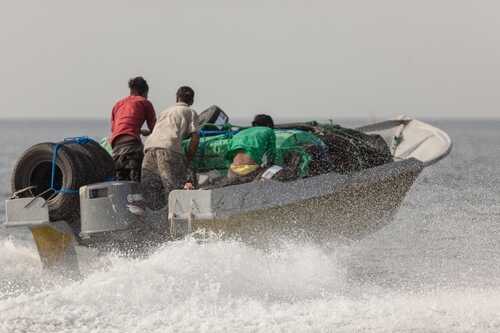
On September 2, 2025, the U.S. Navy executed a precision strike against a vessel in the Caribbean, allegedly operated by the Venezuelan Tren de Aragua gang. The vessel was suspected of smuggling illicit drugs towards the United States. This operation resulted in the deaths of 11 suspected gang members. This decisive action by the U.S. military underscores the escalating efforts to combat drug trafficking in the region, aligning with President Trump’s administration’s commitment to national security.
The strike was part of a broader strategy to assert U.S. dominance in the region and disrupt criminal enterprises that threaten American borders. The operation was promptly confirmed by both the Pentagon and the White House, with video footage released to the public. This transparency aims to bolster support for ongoing military operations targeting narcotics smuggling routes that have proliferated in the Caribbean.
Political Reactions and Implications
Senator Rand Paul expressed skepticism about the U.S. military’s role in international waters, questioning the broader implications of such actions. In a Newsmax interview, Paul stated that while he harbors little sympathy for drug smugglers, he believes they deserve trials rather than military strikes. His comments highlight a significant political debate over America’s interventionist policies and the potential consequences of military engagements in foreign territories.
President Trump, on the other hand, praised the operation, emphasizing the administration’s resolve to counteract criminal organizations. The Defense Secretary further warned that continued military actions would follow if drug trafficking from Venezuela persisted. This firm stance seeks to deter future criminal activities and reinforce U.S. security measures, although it has also spurred diplomatic tensions with Venezuela.
International and Legal Context
The strike has intensified U.S.-Venezuela relations, with President Maduro accusing the U.S. of aggression and seeking regime change. The use of lethal force against non-state actors in international waters raises complex legal questions, with security analysts noting the operation’s effectiveness in disrupting cartel logistics while cautioning about potential escalation. Legal scholars have also weighed in, debating the implications under international law.
As U.S. warships continue to patrol the Caribbean, the incident underscores the delicate balance between national security interests and international diplomacy. The operation’s success in curbing drug trafficking is evident, but the long-term impact on U.S. foreign policy and regional stability remains uncertain, prompting ongoing discussions about the role of military power in addressing global criminal threats.
Sources:
Wikipedia Summary: 2025 United States Strike on Tren de Aragua Boat
USNI News: U.S. Military Makes Precision Strike Against Suspected Drug Vessel
Just Security: Legal Issues of Military Attack in the Caribbean
“`