

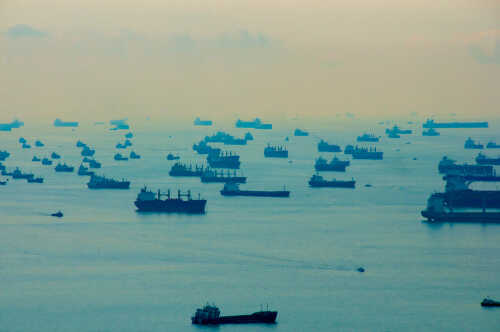
Somali piracy roared back after years of calm, as war-driven naval gaps opened easy lanes for hijackers.
Story Snapshot
- Attacks off Somalia have risen since 2024, breaking a decade of relative quiet.
- Naval focus shifted toward Red Sea and Iran-war flashpoints, thinning patrols near Somalia.
- Pirate groups rebuilt skills, pushed farther offshore, and resumed ransom tactics.
- Shippers face longer routes, higher insurance, and renewed hostage risks.
How the resurgence began and why it accelerated
Somali piracy did not vanish. It went quiet because warships, armed guards, and smarter routes made attacks hard. That balance changed in 2024. The International Maritime Bureau reported an upward trend beginning that year, with renewed hijackings and boardings off Somalia’s long coast. Regional security then shifted as navies prioritized crises tied to the Iran war and the Red Sea. That opened gaps. Pirate crews saw space to operate and moved fast to exploit it.
Signals piled up through 2025. Regional watch centers raised threat levels. Analysts logged coordinated attempts using mother ships and small skiffs. Crews reported warning shots, chase attempts, and short boardings near the Gulf of Aden and the Somali Basin. Operational patterns echoed the pre-2012 playbook: seize a smaller vessel, use it as a hub, range far from shore, and hunt slow targets. The Joint Maritime Information Center’s “severe” posture matched that field picture.
What pirates are doing differently this time
Pirate networks adapted during the lull. They learned to track routes with cheap tech. They watched how shipping firms relaxed defenses as risk seemed to fade. They studied naval patrol habits and the Red Sea drawdown. Recent incident clusters show multiple teams striking within days, often far offshore, which takes planning and fuel. That reach matters because it forces ships to guard longer legs and gives pirates more chance to find a soft target before a warship appears.
Crews also face familiar, gritty tactics. Pirates still favor fast skiffs, ladders, rocket launchers, and rifles. They stalk at dawn or dusk when watch teams are thin and glare helps them close in. They probe first, then swarm a straggler. If they board, they rush the bridge, cut comms, and redirect the ship. Ransom remains the core business model. Each successful payout resets the risk-reward math across the region. Officials warn even a handful of wins can draw more recruits.
Why the Iran-war environment matters but is not the whole story
War in and around Iran changed priorities. Many navies moved ships to protect the choke points that feed the global oil market. That left fewer hulls to shadow the Somali coast and the open Indian Ocean. Fewer patrols mean longer response times and less deterrence. This shift did not create piracy, but it reduced friction against it. That is the spark that let dormant networks light up again, while other causes—like illegal fishing anger and local hardship—helped feed the fire.
Somali pirates have hijacked at least six international commercial vessels off the coast of northern Somalia’s Puntland state since April, including two in mid-August.
This level of piracy has not occurred since the peak of Somali piracy over a decade ago.
Sustained piracy is… pic.twitter.com/oM0OBDmGsg
— Critical Threats (@criticalthreats) September 11, 2026
Facts point to a layered cause, not a single switch. Data shows the 2024–2026 spike, but also swings within that rise; first quarter 2026 incidents fell from the prior year even as Somali waters stayed hot spots. That curve fits a known pattern off the Horn: suppression followed by bursts when pressure drops. Common sense says restore pressure. That means steady naval presence, tight convoying at risk points, and shipboard discipline that does not fade when headlines do.
What shippers and governments should do next
Shipowners should go back to basics. Sail farther from shore. Increase speed in risk zones. Keep razor wire, fire hoses, and citadels ready. Post a hard watch and rehearse lock-down drills. Reroute when alerts spike. Hire armed security for the hottest corridors. Governments should tighten the patrol net and share targeting data in real time. Port states should hit fuel, arms, and skiff suppliers. Courts must hold captured pirates fast to end the catch-and-release cycle that invites repeat crime.
The stakes for consumers and national power
Every hijacking adds days, fuel, and insurance costs. That shows up in freight rates and, soon after, prices on store shelves. Energy cargoes face the greatest risk. A single seized tanker can move markets and test resolve. For the United States and partners, sea control is not a talking point—it is the backbone of trade and deterrence. When patrol lines thin, predators hunt. The fix is simple to state and hard to fake: persistent presence, clear rules, and swift action when pirates strike.
Sources:
zerohedge.com, cnbc.com, tandfonline.com, icc-ccs.org, cnn.com, bbc.com, lloydslist.com, ifsma.org