
A Nairobi survivor has now met the Special Air Service operator credited with helping evacuate hundreds during the DusitD2 terror siege—and their reunion closes a loop that began under gunfire.
Story Snapshot
- Kenya’s president said about 700 civilians were evacuated during the 2019 DusitD2 attack.
- A British Special Air Service operator joined Kenyan responders and moved civilians to safety.
- The siege left 21 civilians dead as security forces ended the assault.
- The survivor’s tribute anchors the event to a face and a name many remember.
The Day Nairobi Stopped, And Hundreds Escaped
Gunmen linked to the Somalia-based group al-Shabaab attacked the DusitD2 complex in Nairobi on January 15, 2019. The assault mixed a suicide blast and gunfire across the hotel and offices, trapping workers, guests, and shoppers. Kenyan police units, military, and plainclothes teams rushed in as people hid under desks or locked in bathrooms. Officials later confirmed at least 21 civilians were killed before security teams ended the siege and cleared the compound.
Kenyan President Uhuru Kenyatta told the country that some 700 civilians were evacuated during the rescue and clearance. That number became the first hard measure of what went right under extreme pressure, even as grief set in for those lost. The courage of first responders, hotel staff, and civilians who guided each other down stairs and through smoke became the day’s second headline.
The SAS Operator Who Ran Toward The Gunfire
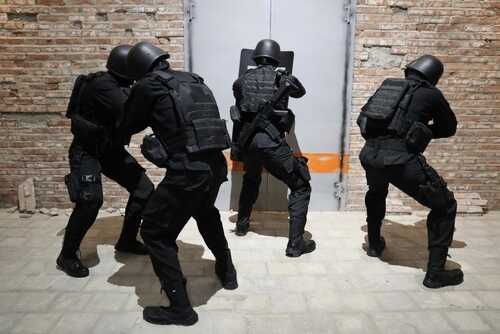
Amid the chaos, a British Special Air Service operator on a training mission in Kenya joined local responders. He moved into the fight, helped pull civilians out, and worked with Kenyan teams as they pushed room by room. Photographs later showed a single operator in a plate carrier with a rifle, calm in the open while others ran. British and Kenyan coverage credited his actions with saving lives as part of the larger rescue effort.
The survivor’s recent tribute ties a human thread back to that image. Meeting the man who helped lead them out transforms a news photo into a living bond. It also honors the Kenyan officers who held stairwells, cleared floors, and carried the wounded. That shared action shut down the attackers’ plan to turn a business park into a mass-casualty site. The meeting underscores that point: evil struck; people stood up together.
What “700 Evacuated” Actually Means
Authorities count “evacuated” as every person guided or escorted from danger during the operation. That includes those moved early by hotel security, those led out by police and soldiers, and those pulled from closets and meeting rooms late at night. Kenya’s president put the figure at about 700, and outside reporting and studies echoed that hundreds were rescued during the 19 to 22-hour ordeal.
Attribution in a siege is messy by nature. Teams overlap. Civilians help each other. A single fighter can swing a hallway. The fairest reading gives credit to the entire response while recognizing stand-out acts that made the difference at key chokepoints. That view fits both the survivor’s thanks and the record from Kenyan and international reporting. It respects bravery without erasing the broader force that carried the day.
Why This Story Still Matters
Terror cells pick soft targets to spread fear. They hope people freeze, leaders stall, and help comes too late. Nairobi showed a different outcome. Kenyan officers advanced. A Special Air Service operator stepped in. Staff kept calm voices on radios. Strangers shielded strangers. The death toll was real and heavy. Yet the rescue total was larger. The survivor’s meeting with the operator renews that lesson in plain terms: prepared people save lives.
Sources:
podcasts.apple.com, thesun.co.uk, wionews.com, bbc.com