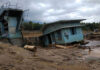


Deadly flash floods in Morocco’s coastal city of Safi killed at least 37 people overnight, exposing the devastating consequences of extreme weather events that continue to plague nations worldwide despite billions spent on climate initiatives.
Story Snapshot
- At least 37 people died in flash floods that struck Safi, Morocco overnight
- Heavy rains inundated approximately 70 homes and businesses in the coastal city
- Ten vehicles were swept away by the rushing floodwaters during the deadly event
- Authorities attribute increasingly unpredictable weather patterns to climate change effects
Devastating Flash Floods Strike Moroccan Coastal City
Heavy rainfall triggered catastrophic flash flooding in Safi, Morocco, claiming at least 37 lives during overnight hours. The Moroccan coastal city experienced unprecedented water levels that overwhelmed local infrastructure and caught residents off guard. Emergency responders worked through dangerous conditions to assess damage and coordinate rescue operations. The sudden nature of the flooding left little time for evacuation or protective measures, contributing to the high casualty count in this tragic natural disaster.
Widespread Property Destruction and Vehicle Losses
Floodwaters inundated approximately 70 homes and businesses throughout Safi, causing extensive property damage across residential and commercial districts. The rushing waters demonstrated tremendous force, sweeping away ten vehicles and carrying them through city streets. Local infrastructure including roads, bridges, and drainage systems sustained significant damage from the powerful flood currents. Business owners and residents face substantial recovery challenges as they assess the full extent of property losses and begin cleanup efforts.
Climate Change Impact on Moroccan Weather Patterns
Moroccan authorities directly linked the deadly flooding to increasingly unpredictable weather patterns caused by climate change effects. The North African nation has experienced more frequent extreme weather events in recent years, including severe droughts followed by intense rainfall periods. These dramatic weather swings strain existing infrastructure and emergency response capabilities, leaving communities vulnerable to natural disasters. Morocco’s geographical position makes it particularly susceptible to climate-related weather disruptions affecting both coastal and inland regions.
The Safi tragedy highlights the ongoing challenge of protecting communities from extreme weather events, regardless of international climate spending and policy initiatives. While billions of dollars flow toward climate programs globally, ordinary citizens still face life-threatening natural disasters that demonstrate the limits of current prevention and mitigation strategies.