
Even with U.S.-UK relations described as strained and fresh security worries in Washington, President Trump is pressing ahead with a high-profile state visit for King Charles III—right as America marks 250 years of independence.
At a Glance
- King Charles III begins his first official U.S. state visit as monarch on Monday, traveling with Queen Camilla.
- The trip is tied to America’s 250th anniversary celebrations and includes a congressional address and a White House banquet hosted by President Trump.
- Reporting describes the diplomatic backdrop as “strained,” but both sides are moving forward with ceremonial and political optics intact.
- Security planning is heightened after a recent shooting tied to the White House Correspondents’ Dinner, yet the visit is still scheduled to proceed.
A rare state visit timed to America’s 250th anniversary
King Charles III is scheduled to arrive Monday for his first official state visit to the United States as reigning monarch, accompanied by Queen Camilla. The timing is deliberate: the visit is framed around America’s semiquincentennial, a moment that puts national identity, history, and sovereignty at the center of public attention. The itinerary includes ceremonial events in Washington and a stop in New York City, designed to project continuity in the U.S.-UK relationship.
President Trump announced the Monday-through-Thursday visit late last month, setting up a tightly choreographed schedule that includes a White House banquet and a formal address to Congress. Charles has traveled to the U.S. before as Prince of Wales, but this trip is distinct because it is his first as king. For Americans watching closely, the key development is not celebrity pageantry but the diplomatic signal: both governments are choosing public symbolism despite acknowledged political friction.
What the schedule says about priorities in Washington and London
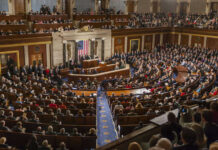
The planned congressional address puts the visit in the most formal lane of U.S. public diplomacy. Congress is not a backdrop; it is the constitutional branch that speaks for the American people through representation, appropriations, and oversight. A foreign monarch addressing lawmakers is a reminder that the United States, unlike European systems, separates ceremonial tradition from political authority. That contrast can resonate during anniversary messaging centered on the Founding and America’s rejection of hereditary rule.
White House hosting duties also matter because they place the visit squarely under the Trump administration’s responsibility, from protocol to security to messaging. A state banquet is designed to showcase stability and mutual respect, even when leaders disagree. Public reporting characterizes the broader relationship as strained, which increases the pressure for both sides to avoid missteps. The administration’s choice to proceed suggests officials believe the benefits of allied coordination and public reassurance outweigh the risks of delay.
Strained relations, but a “special relationship” test in real time
Coverage of the trip underscores that tensions are part of the backdrop, though public summaries do not provide extensive details on the exact policy disputes driving the strain. That lack of specificity is important for readers: it limits how far any outlet can responsibly go in claiming motives beyond what has been reported. What is clear is that both sides appear to be using the state visit as a pressure valve—an attempt to keep cooperation intact through tradition and high-level visibility.
Security concerns after a Washington shooting, with no change to plans
Security has become a central subtext after a reported shooting connected to the White House Correspondents’ Dinner. Fox News reported the state visit is still expected to proceed as planned despite the incident, signaling that federal and local agencies are prepared to operate at an elevated posture. State visits always carry risk due to predictable motorcades and public events. This time, the scrutiny is sharper because the incident revived questions about how well Washington’s elite events are protected.
https://twitter.com/
The administration has not announced itinerary changes in the reporting provided, meaning the public should expect the usual mix of road closures, tightened perimeters, and layered screening in Washington and New York. For Americans already frustrated by years of disorder—from porous borders to rising crime concerns—the obvious question is whether leaders can deliver basic security reliably. A successful visit will be measured less by speeches and more by competence: safety, continuity of government operations, and clear respect for constitutional boundaries.
Sources:
President Trump Welcomes King Charles III for State Visit
King Charles’ U.S. Visit to Start Monday Amid Strained UK Relations