
A powerful quake killed dozens in the Philippines, and fast-moving rumors now threaten honest relief and accountability.
Story Snapshot
- At least 37 people died after a magnitude 7.8 quake struck southern Philippines [1].
- Authorities reported large aftershocks, injuries, and damage to homes, schools, and hospitals [8].
- Early death tolls varied as rescue teams reached cut-off areas, a normal disaster pattern [8].
- Social clips mixed real and old footage, fueling confusion during rescue efforts [7].
What Happened: Major Quake Strikes Mindanao
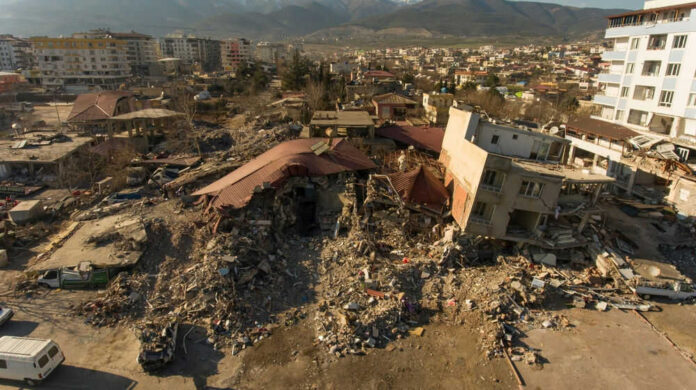
Philippine officials and wire reports said a magnitude 7.8 earthquake hit off Mindanao, killing at least 37 people and displacing tens of thousands. Reporters described collapsed structures, landslides, and frantic searches for missing residents. Local accounts said buildings swayed as people ran into streets. The Associated Press wire noted more than 32,000 were displaced and confirmed the death toll had reached at least 37 as searches continued in the south of the country [1].
United Nations updates said the quake struck around the start of the school year and damaged classrooms, homes, and hospitals. Officials tracked many aftershocks and warned of unstable hillsides and debris. Rescue crews worked through blocked roads to reach smaller towns. Early counts listed dozens dead and hundreds injured as teams dug through rubble and cleared slides. Those figures were labeled provisional, since access to remote areas was still limited and communications were spotty [8].
Why The Numbers Shift: How Disaster Counts Stabilize
Breaking disaster numbers almost always move. Reporters, police, and aid workers collect partial data first, then update as they reach outlying districts. That is what happened in Mindanao. One outlet cited “at least 32 dead” while others later reported “at least 37,” with injury counts near or above several hundred. United Nations and science coverage called the toll early and evolving. This drift reflected normal verification steps, not deception or spin by responders on the ground [3].
Scientific and international reports also lined up on core facts. They described a magnitude 7.8 quake offshore, severe shaking across the region, and heavy damage in specific provinces. Confirmed landslides caused many of the deaths, which is common in steep terrain after strong shaking. Authorities also recorded many aftershocks. These details strengthened confidence in the main story, even as exact tallies changed with each new field report and medical update from local hospitals [8].
Sorting Truth From Noise: Social Media Pitfalls
After the quake, social feeds filled with dramatic clips. Some were real and recent. Others were old disaster videos posted as if new. Canadian public broadcasting flagged mismatched clips and urged viewers to verify sources. That confusion can slow aid, spread panic, and open the door for trolls or foreign propagandists. During rescue windows measured in hours, false claims can pull attention from real alerts and crowd out calls for blood, fuel, or equipment [7].
Following a 7.8M #earthquake yesterday near Sarangani in the #Philippines, there are reports of 37 deaths, 488 injuries and 33.5k displaced.
HF has so far provided emergency food rations for impacted fishing communities in Simunul. pic.twitter.com/4tYzpJBIXL
— Humanity First International (@HFI1995) June 9, 2026
For readers, a simple checklist helps: look for a recent datestamp, match the location to named towns, and favor posts that cite official bulletins. Verified wire services and United Nations updates usually link to on-scene statements or briefings. That habit protects families seeking loved ones and helps donors target credible groups. It also shuts down clickbait that cashes in on grief. When lives are on the line, facts—not viral drama—move resources where they are needed fastest [8].
Why It Matters To Us: Faith, Family, and Responsible Aid
American readers care when disaster hits allies. The Philippines is a longtime partner that stands with us on security and trade. When a quake shatters homes, churches, and schools, families bear the load first. Good information speeds relief, blocks scams, and honors the dead with truth. That aligns with conservative values: protect life, help neighbors through trusted groups, and insist on clear numbers from officials who must answer to the people they serve [8].
Our government can help by backing quick logistics, not bloated bureaucracy. Private charities with strong records often deliver faster than large agencies. Citizens can give smart by checking charity ratings and watching for exact needs named by local officials. Demanding accuracy also counters foreign state media narratives that twist events for influence. When we keep our guard up against falsehoods, we help real victims and keep America’s word strong abroad [8].
What Comes Next: Rescue, Recovery, and Accountability
Philippine teams will keep searching and clearing landslides as aftershocks fade. Hospitals will update injury lists. Damage checks will sort which buildings can reopen and which must be rebuilt. Expect the death toll to settle as authorities confirm identities and reconcile reports. That clarity will guide rebuilding funds, school reopenings, and repairs to water, power, and roads. Accurate, public tallies protect against waste and steer aid toward the worst-hit families and towns [8].
For now, pray for the victims, support trusted relief partners, and stay alert to verified updates. Reject recycled clips and rumor accounts. Stand with a close ally in their time of need. When truth leads, help follows. That is how a free people honors its values, keeps faith with friends, and pushes back on noise that exploits tragedy for clicks and control [7].
Sources:
[1] YouTube – Earthquake survivor says his home was ‘swaying’ as 37 killed in the …
[3] YouTube – 37 Dead, Many Injured In 7.8 Magnitude Earthquake …
[7] Web – List of earthquakes in the Philippines – Wikipedia
[8] Web – Fact check: Real vs. fake Philippines earthquake footage | CBC.ca