
A new controversy has erupted, with Pedro Sánchez’s remarks on Spain’s military capabilities being interpreted as a veiled threat against Israel, sparking international condemnation.
Story Highlights
- Pedro Sánchez’s comments interpreted as wishing for nuclear capability against Israel.
- Combat Antisemitism Movement demands an investigation into potential incitement to genocide.
- Diplomatic tensions rise between Spain and Israel, with calls for retraction.
- The controversy highlights the impact of political rhetoric on international relations.
Sánchez’s Remarks and Immediate Reactions
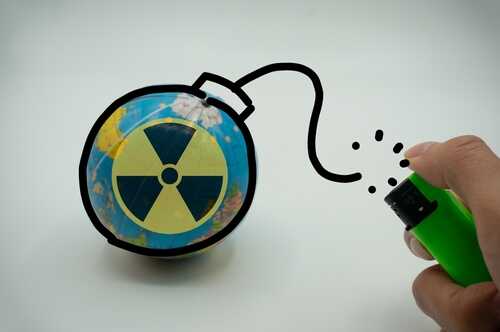
Pedro Sánchez, the Prime Minister of Spain, made comments during a press conference about Spain’s military limitations, particularly its lack of nuclear weapons. These remarks were interpreted by some as expressing a desire to have nuclear capabilities to use against Israel amidst the ongoing Israel-Gaza conflict. This interpretation has led to significant backlash, particularly from the Combat Antisemitism Movement (CAM), which has called for an investigation into what they see as incitement to genocide.
Shortly after the comments were made, the CAM and other groups publicly condemned Sánchez, demanding legal action and an official investigation. The situation quickly escalated, with diplomatic exchanges between Spain and Israel intensifying, as each side issued protests and statements regarding the incident.
Diplomatic Fallout and International Reactions
In the days following Sánchez’s remarks, the Spanish Foreign Ministry summoned Israel’s acting ambassador. This move was in response to statements made by the Israeli government, further heightening diplomatic tensions between the two countries. Despite these developments, no formal legal proceedings against Sánchez have been initiated as of now.
Sánchez has since clarified his comments, stating that Spain lacks the military power, including nuclear weapons, to influence the conflict significantly. He emphasized that Spain would continue to advocate for its position through diplomatic channels, rather than military means.
Implications and Ramifications
The controversy has not only affected Spain-Israel relations but has also sparked a broader debate about the use of provocative rhetoric by political leaders. Critics argue that Sánchez’s comments, although potentially misinterpreted, were irresponsible, while his supporters claim they were taken out of context, reflecting legitimate frustration over Spain’s limited influence in global conflicts.
In the short term, this incident has increased scrutiny of Sánchez’s foreign policy and rhetoric, potentially polarizing the Spanish public. In the long term, it could have lasting effects on Spain’s diplomatic relations with Israel and influence how European leaders approach criticism of Israel in the future.
Sources:
Combat Antisemitism Movement Calls for Investigation
ABC News: Spain Summons Israel’s Acting Ambassador
“`