
Ukraine’s top diplomat is warning that Russia has turned Black Sea food routes into a battlefield, putting global grain supplies — and millions of hungry people — at risk.
Story Snapshot
- Ukraine’s foreign minister says Russia is deliberately striking food export routes and civilian shipping in the Black Sea.
- Kyiv compares Russia’s attacks on food routes to Iran’s attacks on energy routes, calling it “food terrorism.”
- Russia’s exit from the Black Sea Grain Initiative and repeated strikes on ports have choked Ukraine’s farm exports.
- Global bodies warn these attacks are worsening food insecurity and driving up prices worldwide.
Russia’s Shift From Energy Routes To Food Routes
Ukraine’s foreign minister told the world this week that Russia is now “going after the food,” just as Iran went after global energy routes in the Strait of Hormuz. He said Russian strikes and threats against civilian shipping in the Black Sea are aimed at blocking Ukraine’s grain, corn, and sunflower oil exports at the height of harvest season. This is not an abstract claim. Ukraine’s government has documented repeated attacks on port infrastructure and grain storage, plus minefields laid along sea routes out of its ports.
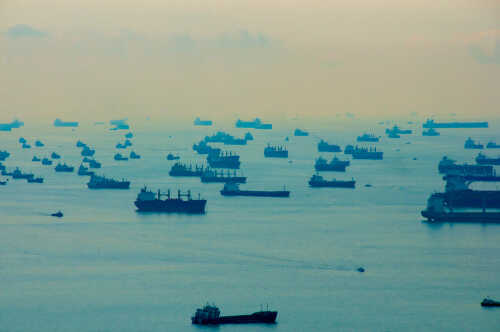
For conservative Americans, this pattern looks familiar. Iran targets tankers and oil routes to pressure the West. Russia is now targeting food routes to pressure sanctions relief and political concessions. Both strategies turn basic supplies — fuel and food — into weapons in larger power struggles. Ukraine’s foreign minister warned that no ships passed through its Black Sea corridor on the day of his statement, calling it a deliberate attempt by Russia to squeeze global food markets. That kind of supply chokehold hits poor nations first but eventually drives up prices everywhere.
Black Sea Grain Deal Collapse And Port Strikes
Russia’s campaign against Ukraine’s food exports accelerated after Moscow walked away from the United Nations-brokered Black Sea Grain Initiative in July 2023. That deal had allowed bulk grain and vegetable oil shipments to safely transit from three Ukrainian ports, easing pressure on global markets. Once Russia halted its participation, Ukraine and its partners reported an immediate spike in attacks on port facilities, storage depots, and nearby infrastructure used to move grain. British officials told the Organization for Security and Co-operation in Europe that Russia had carried out “hundreds” of strikes on Ukrainian ports since leaving the deal and described the campaign as a clear attempt to strangle Ukraine’s farm exports.
Ukraine’s Ministry of Foreign Affairs says Russia’s navy has blocked safe passage to and from Ukrainian Black Sea ports, planted sea mines along key routes, and physically blocked about 22 million tons of grain in Ukrainian ports during earlier phases of the war. European analyses describe this blockade as “de facto,” meaning ships simply cannot move without facing military risk. This matters because Ukraine is a major exporter of wheat, corn, and sunflower oil. When those cargoes do not reach world markets, import-dependent countries in Africa, the Middle East, and Asia face shortages, and global prices climb. That inflation lands on American grocery bills too.
Weaponizing Food For Leverage And Propaganda
Ukraine, the United States, and European Union officials have accused Russia of “using food as a weapon” and “blackmailing” the world to win sanctions relief. Ukraine’s foreign ministry points to Russian leaders openly talking about using agricultural exports as a tool against “unfriendly” countries and threatening to cut supplies unless sanctions are lifted. Analysts at the Center for Strategic and International Studies note that after reducing safe exports from Ukraine, Russia pushed its own grain onto markets and courted food-importing countries, seeking political support. That strategy lets Moscow blame Western sanctions for hunger while quietly controlling who gets Russian grain and fertilizer.
Russia denies blocking food exports and claims Western sanctions are the real problem. Moscow says restrictions on its banks and shipping companies hinder its own food and fertilizer sales. But Ukraine’s allies argue that Russia’s invasion, mining operations, and blockade started the crisis, and that sanctions were a response — not the cause. For readers at home, the key point is simple: a major power is using control over trade routes to gain leverage, while international bodies warn the attacks are worsening hunger and malnutrition. That kind of economic warfare can easily spread into broader instability and new calls for American aid and intervention.
Global Food Security And What It Means For Americans
European institutions warn that blocking Ukraine’s grain has already “further aggravated” the global food crisis. United Nations officials told the Security Council that Russian attacks on port facilities, combined with the end of the Black Sea corridor, are a “further blow” to global food security. Studies of the war’s early impact show Ukrainian exports of key crops were slashed, with some estimates citing drops of nearly half across top farm goods. When one of the world’s breadbaskets is hit that hard, markets tighten, importers scramble, and prices jump for everyone.
🇷🇺⚔️🇺🇦 Black Sea Shipping Grinds to a Halt After Russian Strikes as Ukraine Warns Global Food Security at Risk
Commercial shipping to Ukraine's Black Sea ports has been temporarily suspended after a wave of Russian drone and missile strikes severely damaged key port… pic.twitter.com/H0ISftNFuy
— Real Global News (@FelastoryMedia) July 23, 2026
For American families, this matters even if our store shelves stay stocked. Tighter global supply keeps food inflation stubborn, especially for wheat-heavy products like bread and pasta. It also drives more international aid demands, more refugee pressure, and more stress on already bloated budgets. Conservative voters who are tired of paying for foreign wars and globalist schemes should understand how these battles over grain lanes feed into the same cycle of higher costs, larger global commitments, and pressure on our own farmers who compete in distorted markets shaped by weapons and war instead of fair trade.
Sources:
19fortyfive.com, csis.org, theguardian.com, fairobserver.com, bbc.com, press.un.org, pbs.org, rferl.org, cfr.org, consilium.europa.eu, tandfonline.com, pmc.ncbi.nlm.nih.gov